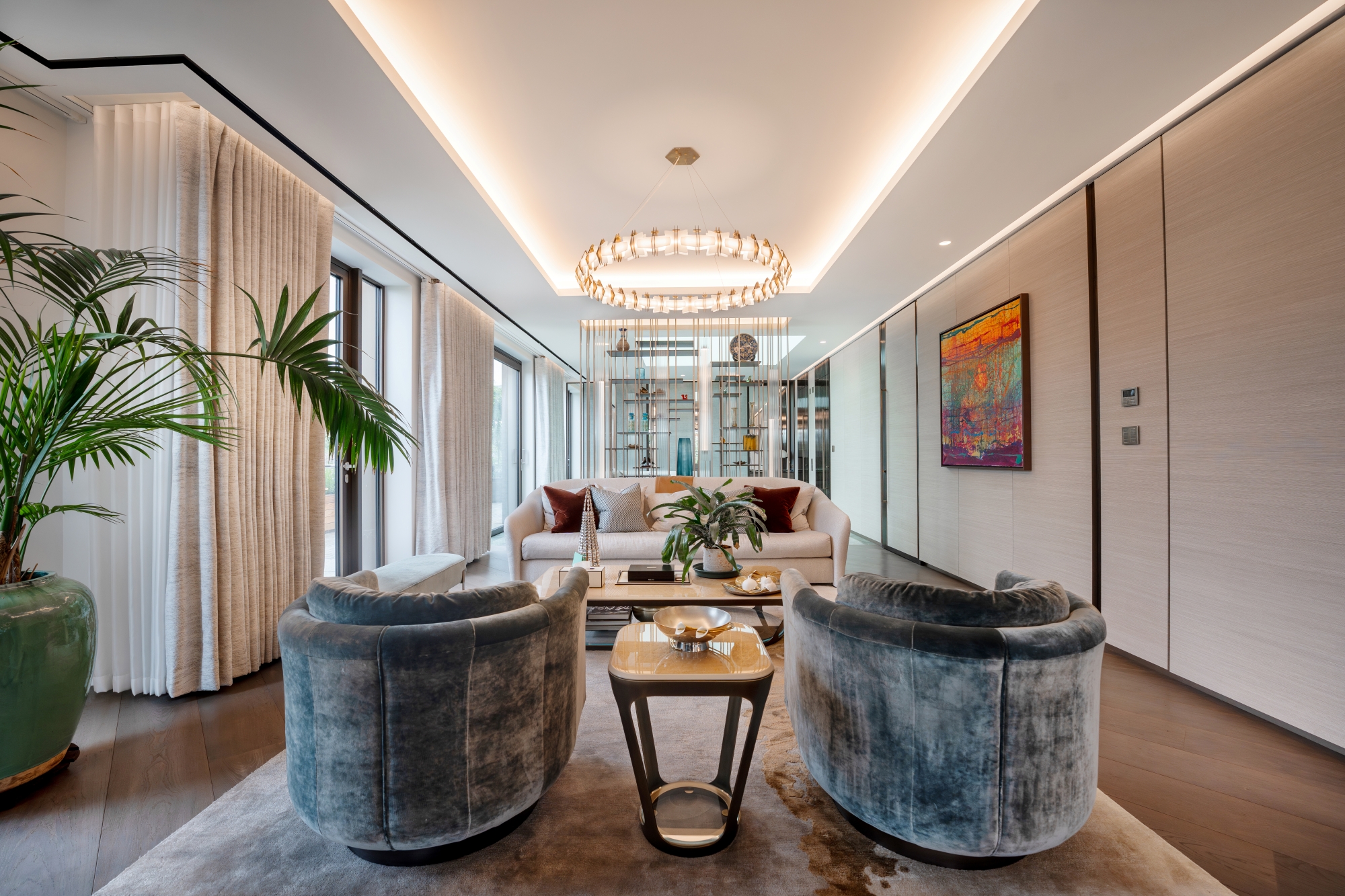
How Interior Designers Are Integrating Discreet Air Conditioning into Luxury Homes
Comfort, beautifully concealed.
Create a luxury home where discreet air conditioning delivers exceptional comfort without compromising your interior design vision.
Luxury interiors are built around carefully considered details: the proportions of a room, the texture of its materials, the placement of furniture and the way light works within the space. In this context, even essential technology can become a design consideration. Air conditioning is no exception.
For many modern homeowners, reliable cooling is increasingly a requirement rather than a luxury. Yet there is often an assumption that air conditioning inevitably means visible units, conspicuous grilles or intrusive changes to the architecture. It doesn’t. There is far more choice in how a system is designed, positioned and integrated than many clients realise, and given its impact on the comfort and liveability of a home, air conditioning deserves consideration from the outset.
For interior designers, this means climate control should be approached as part of the overall design rather than a service to be accommodated once the aesthetic decisions have been made. Specialist air conditioning designers such as Calibre can work alongside interior design and architectural teams to develop bespoke solutions that meet the technical and lifestyle requirements of the homeowner without compromising the design vision.
In this blog, we explore why discreet air conditioning has become an important interior design consideration, the value of early collaboration with specialists, and how discreet systems can be tailored to different luxury home styles and lifestyles. The aim is a home where comfort is always present, but the technology providing it is not.
Why air conditioning has become an interior design consideration
As expectations of comfort continue to evolve, air conditioning is becoming an increasingly important part of luxury residential design. What was once considered an optional addition is now a key consideration for many homeowners, particularly as warmer temperatures and larger areas of glazing can make maintaining a comfortable indoor environment more challenging.
In a high-end home, however, comfort is only one part of the equation. Every element of the interior is carefully considered, so the air conditioning system needs to support the design rather than compete with it.
This is why it is important to consider climate control early in the project. Early planning allows designers and specialists to consider:
- How and where equipment can be positioned without compromising the architectural or interior design.
- How air can be distributed discreetly, avoiding unnecessary visual interruptions such as prominent grilles or poorly positioned terminals.
- How the system can work with the wider design, including joinery, ceilings, architectural features and smart home controls.
- How the system will be accessed and maintained without creating problems for the finished interior.
By treating air conditioning as part of the design process from the beginning, rather than something to be fitted around an established scheme, it is possible to achieve a more cohesive result. One where climate control enhances the way the home is lived in without becoming a feature in itself.
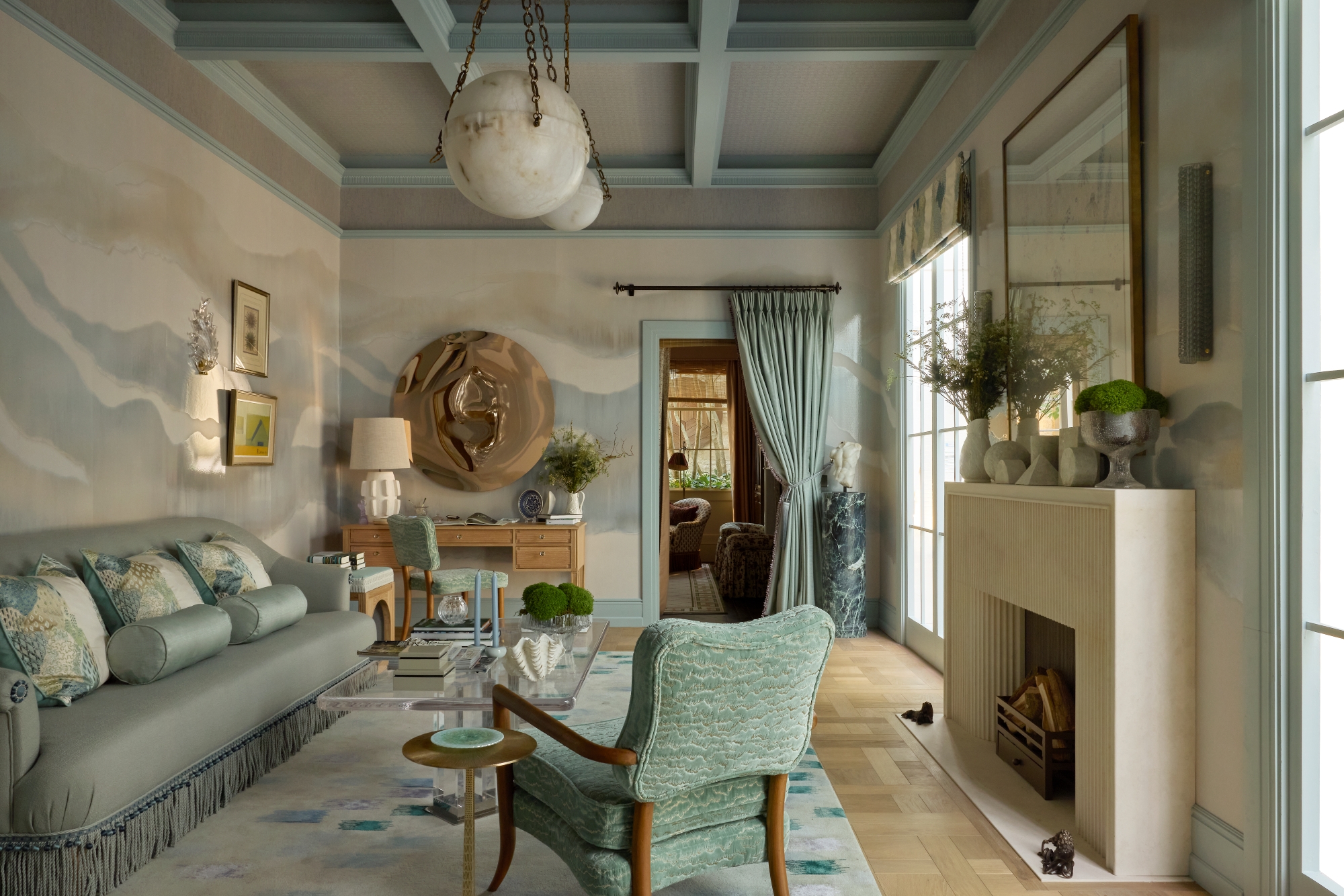
The importance of collaboration between designers and air conditioning experts
The most successful discreet air conditioning installations are rarely achieved by treating the system as a standalone technical service. Involving an air conditioning specialist early in the design process allows the system to be developed alongside the interior and architecture, rather than trying to accommodate it once the design is already fixed.
Collaboration between the design team and a discreet air conditioning specialist helps align:
- Interior concepts: Ensuring climate control complements the overall aesthetic.
- Technical requirements: Establishing the right system and performance requirements from the outset.
- Architectural constraints: Understanding available space, ceiling heights, voids, and structural considerations.
- Installation planning: Coordinating equipment, pipework, ductwork, and access before construction begins.
A specialist such as Calibre can provide advice on everything from equipment placement and space requirements to air distribution and concealment options, as well as taking responsibility for the full technical system design where required.
This early involvement can help avoid costly or visually compromising changes later in the project. Instead, air conditioning becomes part of the wider design conversation, carefully planned alongside the interiors, rather than treated as a service to be fitted at the end.
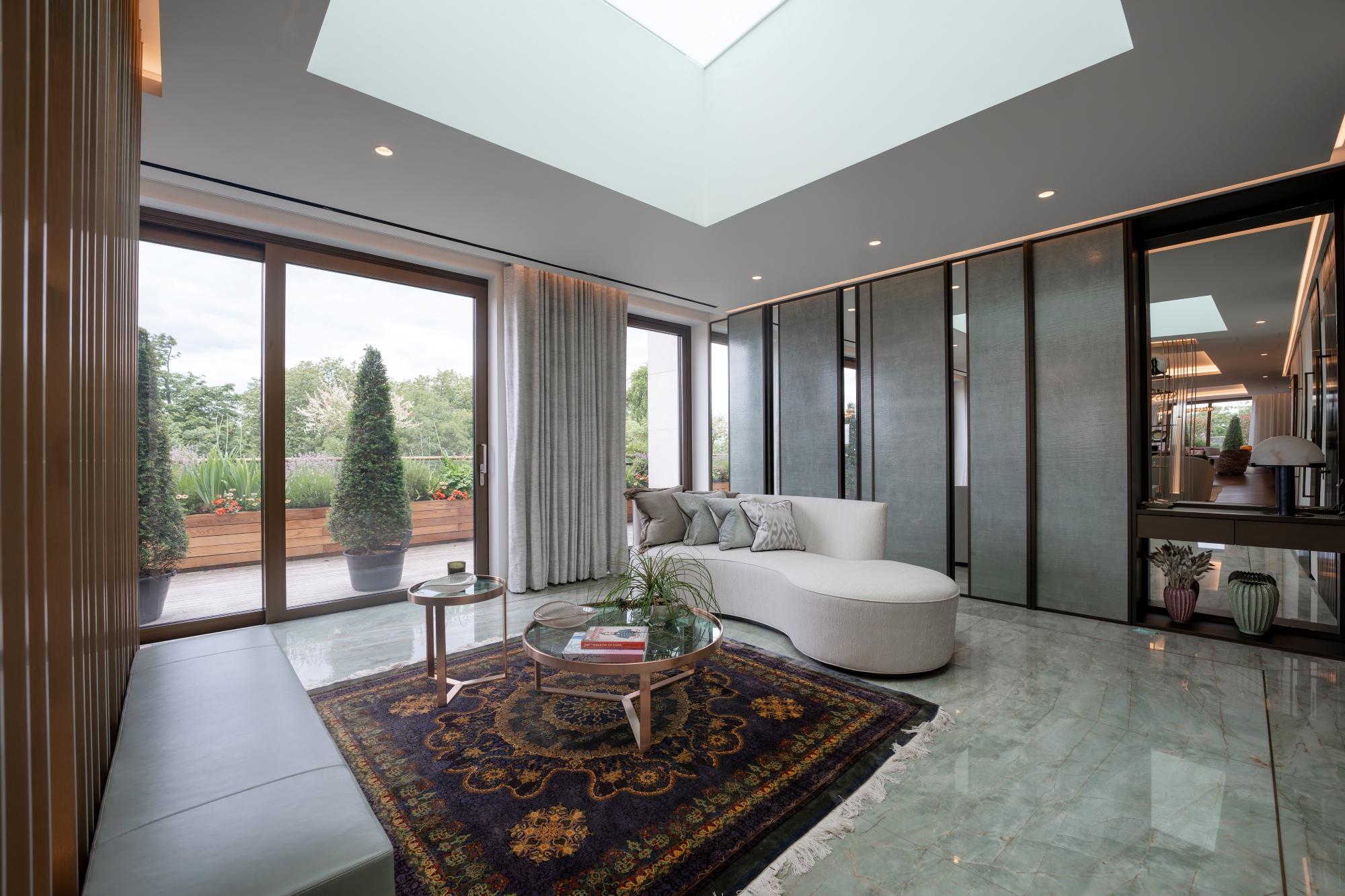
Designing air conditioning around the client lifestyle, not performance assumptions
Discreet air conditioning should be designed around how a home will actually be used, rather than simply selecting a system based on its technical performance. In a luxury property, the best solution considers the architecture, interior design and individual preferences of the homeowner from the outset.
Why typical domestic installations can fall short
In a high-end home, every element of the design is usually considered and tailored to the property and the people living in it. Typical domestic air conditioning installations are often designed primarily around performance and practicality, which can create challenges within bespoke interiors.
These can include:
- Visible indoor units
- Dropped ceilings or bulkheads introduced to accommodate services
- Conspicuous grilles or air terminals
- Poorly positioned controls
- Inaccessible or visually intrusive access provisions
For a luxury residential project, these details can have a disproportionate impact on the finished space.
A specialist-designed approach
Working with a discreet air conditioning specialist from the outset allows the system to be designed around the property, the interior, and the people using it. Rather than working backwards from a standard installation, a bespoke approach can provide:
- Cost and design certainty upfront, with technical requirements understood before construction begins.
- Minimal visual impact, with equipment and air terminals carefully integrated into the design.
- Strategic plant positioning, balancing system performance with practical access for ongoing maintenance.
- Consideration of lifestyle preferences, including noise levels, temperature control and how the system is operated.
- A compliant solution, with relevant legislation, building requirements and planning considerations accounted for as part of the design.
Integrating air conditioning into the architecture
There are numerous ways to incorporate air conditioning without allowing it to dictate the interior. Depending on the property and design, units and associated services can be integrated into:
- Joinery and wall build-ups
- Ceiling and eaves voids
- Cornices, coving and other architectural features
- Feature ceilings and bespoke details
Systems can also be connected to wider home automation platforms, allowing climate control to form part of the overall smart home experience rather than relying on multiple standalone controls.
The aim is not simply to hide the air conditioning, but to design it so thoughtfully that comfort is experienced throughout the home without the system becoming a focal point.
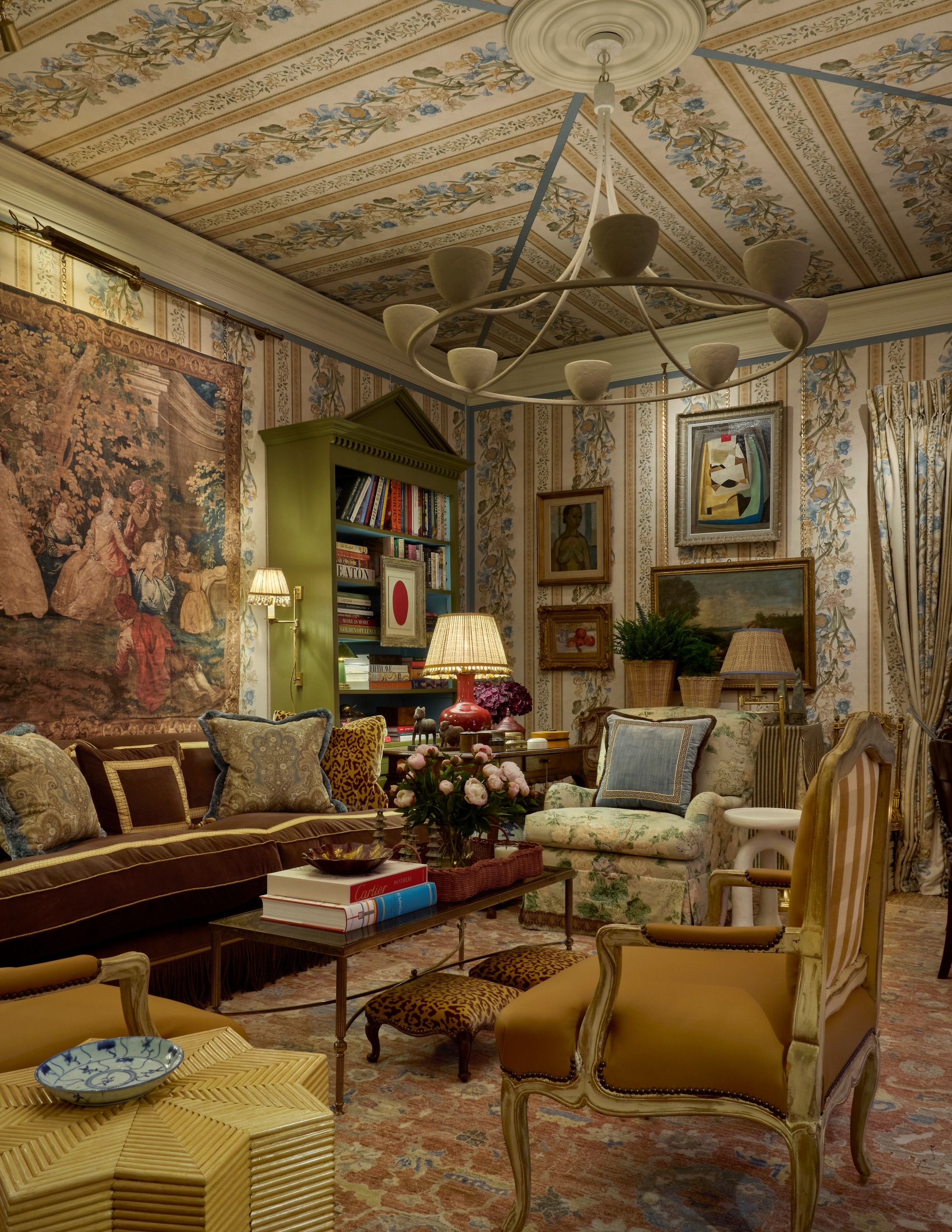
The role of air conditioning specialists in protecting the design vision
Interior designers curate the overall experience, from floorplan, fixtures and fittings to how a home is lived in. Aesthetics are a key part of this, and specialist discreet air conditioning designers work with interior design teams to develop tailored solutions that fit the client’s lifestyle requirements without compromising on aesthetics.
Traditionally, air conditioning has largely been treated as an M&E consideration, dealt with by the consult or builder. But as its impact on the look and feel of a luxury home becomes increasingly recognised, it is becoming part of the design conversation, almost like another furnishing or finish.
Working together allows designers and discreet air conditioning specialists to consider performance, comfort, acoustics and appearance from the outset, while also planning equipment placement, access, air terminals, controls and relevant planning or compliance requirements.
The result is a system that is carefully integrated into the project rather than added around it, allowing the design vision to remain intact while delivering the comfort the homeowner expects.

Creating discreet comfort in different luxury home styles
No two luxury homes present the same requirements. The architecture, available space and way the property is used all influence how discreet air conditioning should be designed and integrated.
Period properties
In period and heritage homes, the priority is to introduce modern comfort without compromising original features or the character of the property. Careful planning can help conceal equipment and services while protecting features such as cornices, coving, decorative ceilings and other architectural details.
Contemporary residences
Contemporary homes often provide greater flexibility for integrating air conditioning into the architecture, but their clean lines and expansive glazing demand careful consideration. Systems can be designed around large, glazed areas and integrated with smart home technology, while maintaining the simplicity of the overall aesthetic.
High-end apartments
Apartments can bring additional challenges, from limited ceiling and service space to building requirements and the need for particularly careful acoustic planning. A specialist approach allows the available space to be used strategically while ensuring the system works effectively and discreetly within the property.
Ultimately, every project requires a tailored approach, with the architecture and lifestyle of the homeowner informing how comfort is delivered.
{{standout}}Bringing interior design and climate control together
Discreet air conditioning should be considered an integral part of luxury home design, rather than a service to be accommodated at the end of a project. The earlier interior designers, architects, and air conditioning specialists collaborate, the more seamlessly climate control can be integrated into the finished space.
A bespoke approach allows the system to be tailored around the property, interior and homeowner’s lifestyle, delivering comfort without compromising the design vision. The result is a home where technology works quietly in the background, supporting the design rather than competing with it.
At Calibre, we work with interior designers, architects and homeowners to create bespoke air conditioning solutions for luxury residential projects. Talk to our team to explore how discreet air conditioning can be integrated into your next project.

YOUR HOME.YOUR TEMPERATURE.
Find out how we can help you achieve the perfect temperature in your home.