Discreet Air Conditioning in New Builds vs Period Homes: What Actually Changes
Make discreet air conditioning part of the design
Whether you are planning a new build or upgrading a period property, Calibre can design an air conditioning system around your building, its character and the finish you want to achieve.
When it comes to discreet air conditioning, the goal is the same: a comfortable indoor environment without compromising the look or character of the property. But achieving that result in a new build is very different from doing so in a period home.
In a new build, the system can be considered from the outset, with ceilings, walls and service routes designed around it. In a period property, the air conditioning has to work around what already exists, often meaning tighter spaces, existing architectural details and more bespoke solutions.
So, while both can achieve a genuinely discreet finish, “discreet” doesn’t mean the same amount of work in each case, it means different work. In this article, we will discuss what changes and why a property-specific approach matters.
Ceiling and wall voids: What's actually available
One of the biggest differences between new builds and period homes is simply what space is available for discreet air conditioning.
- New builds: Stud walls, suspended ceilings and dedicated service voids can be planned with air conditioning routes and plant in mind from the outset.
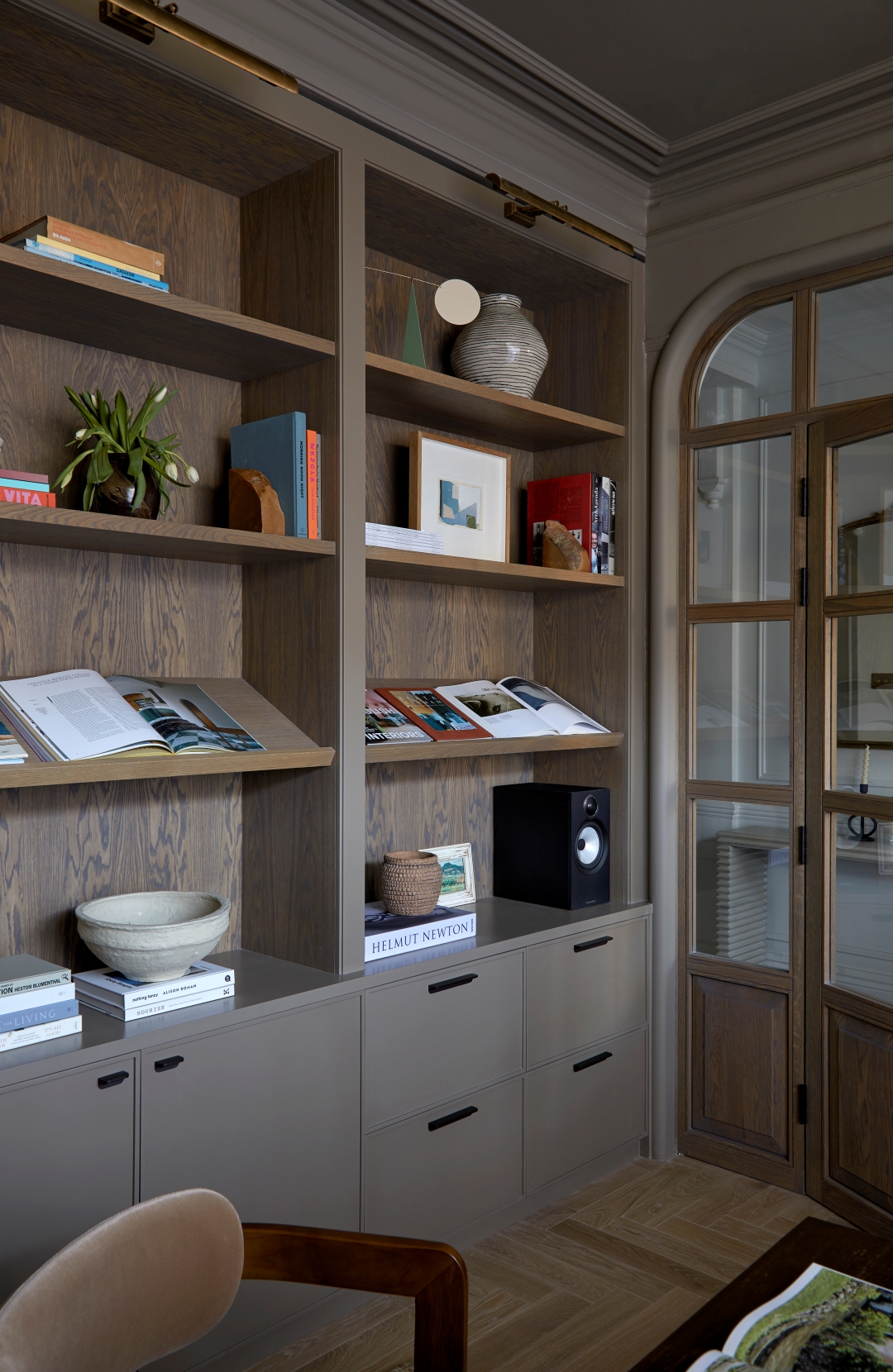
- Period homes: Solid walls, lath and plaster ceilings and limited existing void space can make discreet air conditioning installation considerably more challenging.
This difference influences almost every other decision, from where the system can be positioned and how the pipework is routed, to how much bespoke work is needed to achieve a discreet finish.
When the air conditioning system is specified
Timing can make a significant difference to how discreet an air conditioning system can be. The earlier it is considered, the more options there are for concealing the installation.
- New builds: Air conditioning can be designed alongside the architectural drawings, with walls, ceilings and service routes planned around the system before construction is complete.
- Period homes: A retrofit has to be reverse engineered into an existing space, working around the structure and features already there.
New builds generally allow more fully concealed air conditioning options, while period homes often require more bespoke joinery, careful routing and compromises to achieve the right finish.
Matching the finish
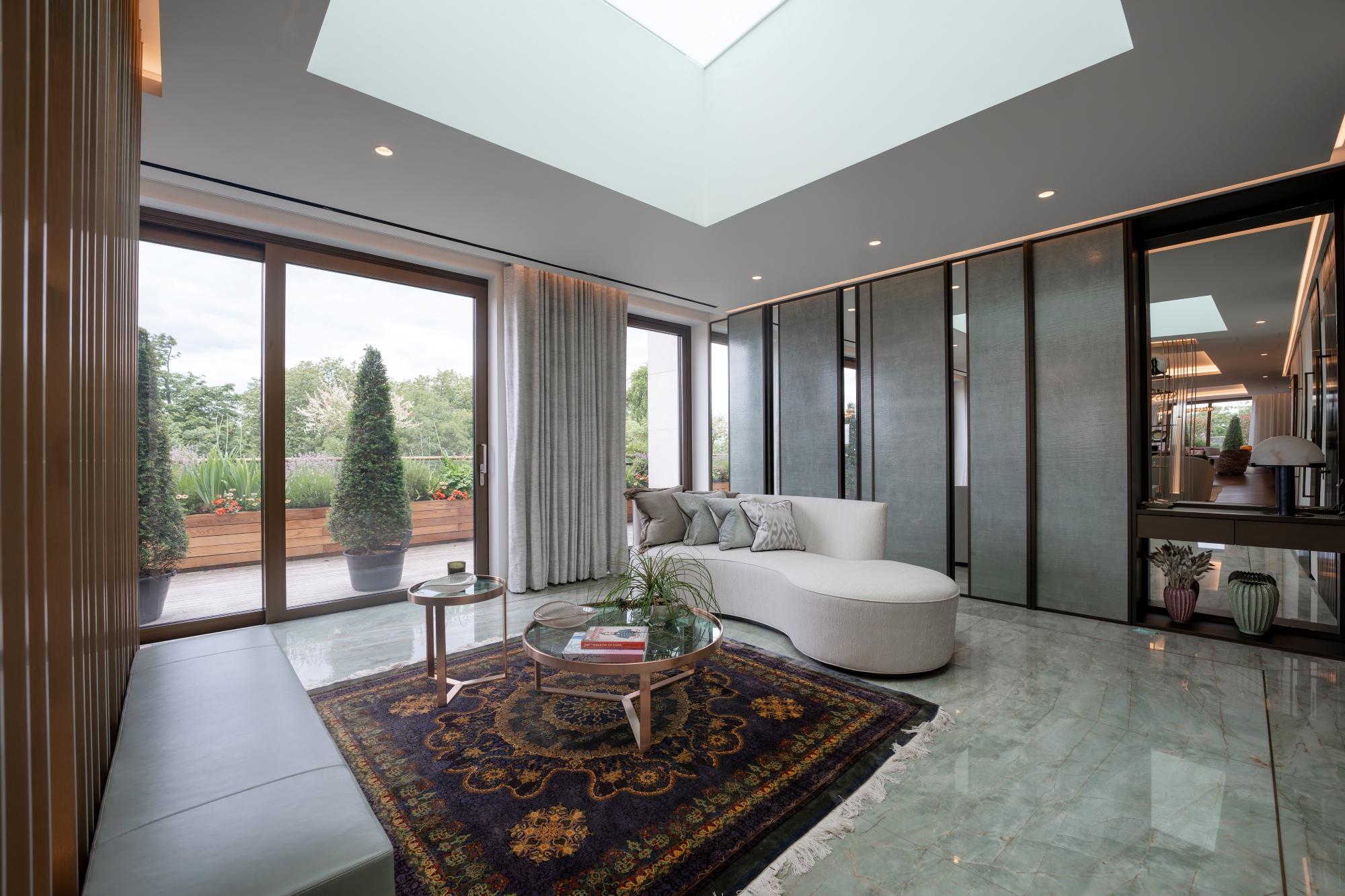
The way the system is concealed also needs to suit the character of the property. In a new build, clean lines and minimal detailing usually make it easier to integrate diffusers and grilles into a contemporary interior, where they can be positioned to blend naturally with the surrounding finishes.
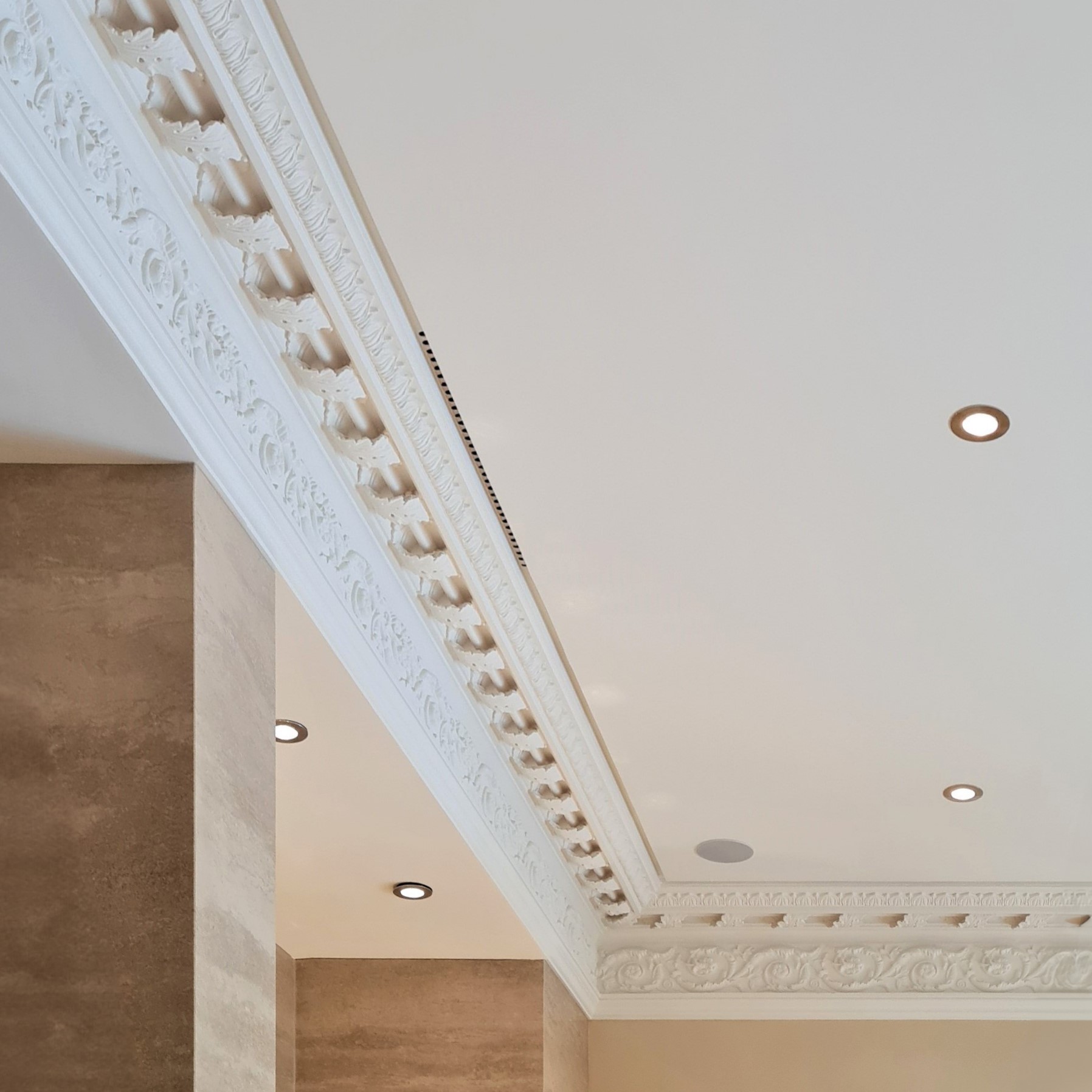
In a period home, the approach needs to be more considered. Cornicing, skirting, panelling and existing joinery all need to be worked around, rather than simply covered or removed. This can mean using bespoke joinery or carefully designed boxing to conceal pipework and equipment while maintaining the proportions and character of the room. It is often this additional detailing that makes a period retrofit more involved than a new build, even when the finished air conditioning is equally discreet.
Planning and conservation considerations
Planning requirements can also vary significantly depending on the type and location of the property. While new builds tend to have fewer restrictions around the installation itself, period and listed properties can require more careful consideration.
New build considerations
There are typically fewer conservation-related restrictions, but factors such as the position of the external condenser units, visual impact and noise may still need to be considered as part of the wider planning and design process.
Period and listed property considerations
For period homes, particularly those in conservation areas or with listed status, there can be additional requirements around what can be altered and where external equipment can be positioned. This makes early planning for discreet air conditioning particularly important, as the most discreet technical solution may not always be the one that is permitted.
Sequencing and disruption
The timing of the installation can make a significant difference to how disruptive the work is, even when the finished system is designed to be completely discreet.
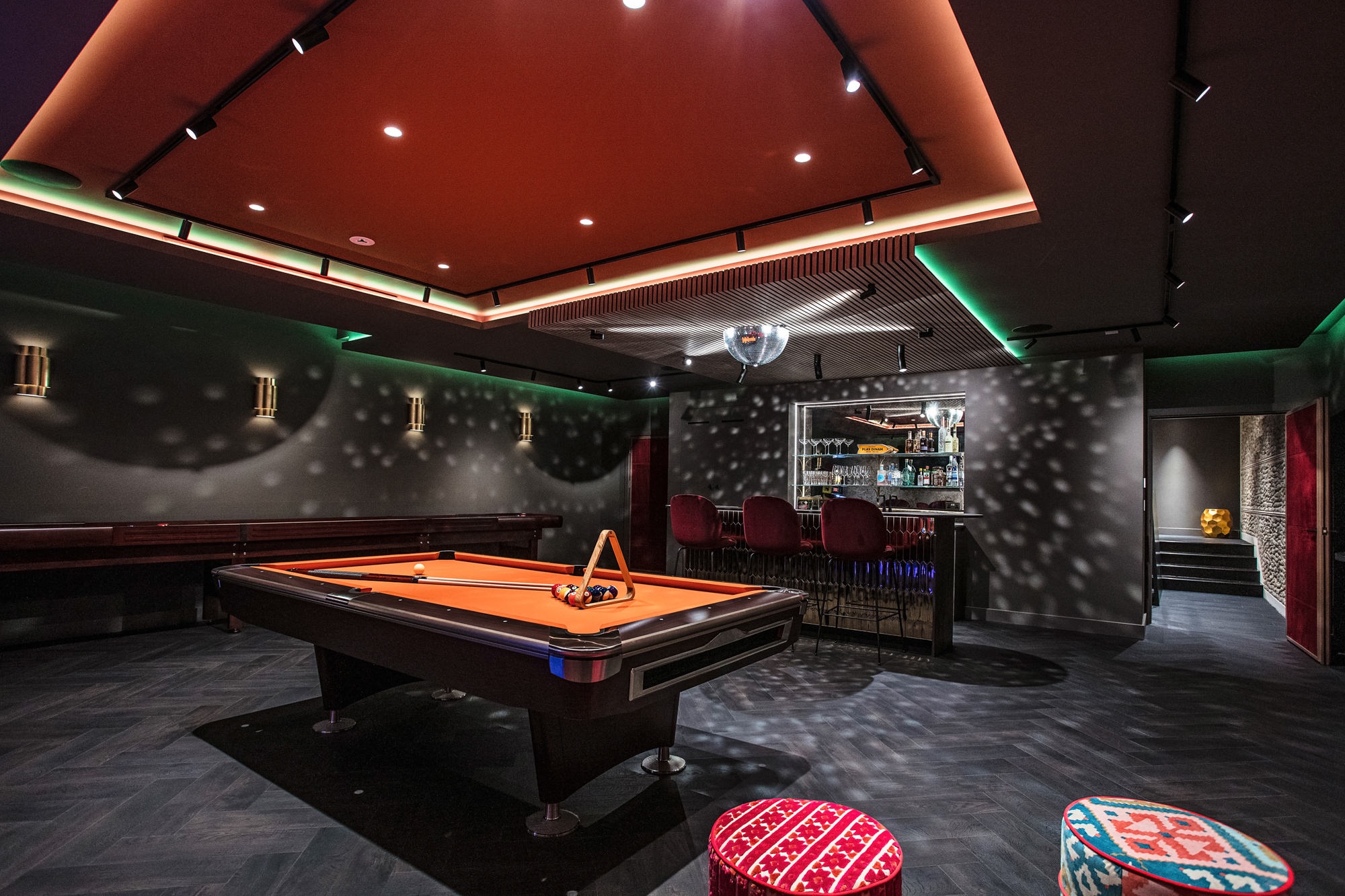
- New builds: Installation can take place during construction, allowing pipework, ductwork and other services to be installed before walls and ceilings are finished, with no completed interiors to work around or protect.
- Period homes: Retrofitting usually means working within an existing or occupied property. Installers may need to work around finished surfaces, furniture, existing joinery and architectural features, making careful planning and protection essential.
A new build can often incorporate discreet air conditioning as part of the wider construction programme, whereas a period retrofit may require more careful sequencing and take longer to complete, even when the final result is equally discreet.
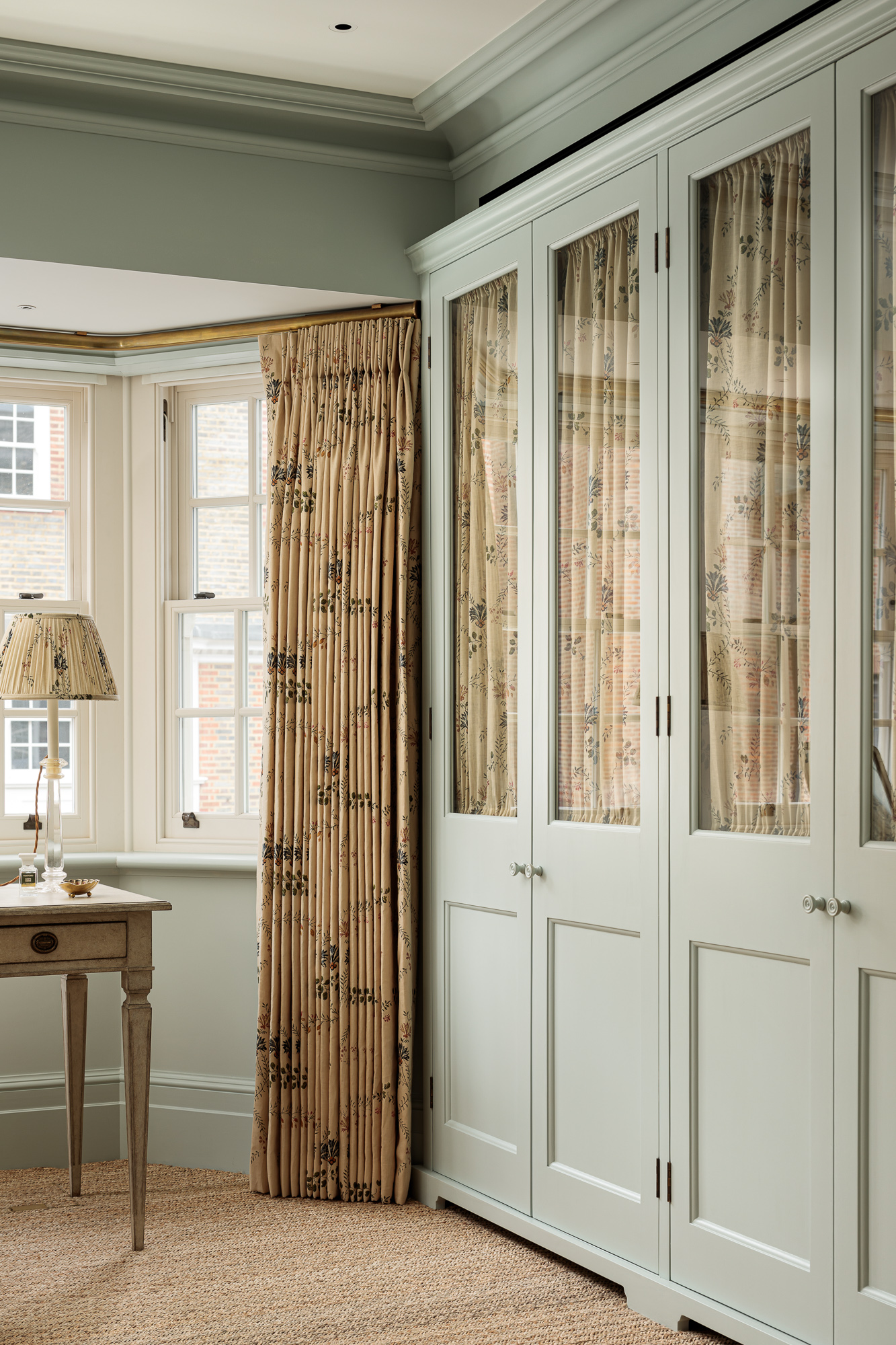
The result: Same goal, different route
Both new builds and period homes can achieve genuinely discreet air conditioning, but the route to the result can look very different. A new build provides the opportunity to plan the system into the property from the outset, while a period home requires the installation to adapt to the building and its existing features.
This is why a standard installation package is rarely the best approach when discretion is a priority. The right system, positioning and installation method will depend on the individual property, its construction, available space and the level of concealment required. A considered, property-specific approach helps ensure the air conditioning performs effectively while remaining as unobtrusive as possible.
{{standout}}Whichever stage your project is at
Whether you are planning a new build or looking to retrofit discreet air conditioning into an existing period property, there are solutions available. The key is understanding what the property allows and designing the system around it, rather than trying to make a standard installation fit.
At Calibre, we take a property-specific approach to every project, considering the building, its design and how best to integrate the system from the outset. If you are considering discreet air conditioning, speak to the Calibre team to discuss your property and find out what can be achieved.

YOUR HOME.YOUR TEMPERATURE.
Find out how we can help you achieve the perfect temperature in your home.