
Balancing Conservation and Comfort: HVAC Solutions for Listed London Properties
Speak to us for a FREE quote today
Contact our specialist team today to get a full quote on air conditioning solutions.
London’s listed buildings are renowned for their character, craftsmanship, and architectural significance, but modern homeowners increasingly expect the same levels of comfort found in contemporary homes. Achieving effective heating, cooling, and ventilation in a heritage property can be challenging, with planning requirements, protected features, and building constraints all influencing what is possible, particularly when it comes to discreet HVAC London solutions in sensitive properties.
Fortunately, modern HVAC solutions can be designed to work sympathetically within even the most sensitive period properties. With careful planning and a design-led approach, it’s possible to achieve exceptional comfort without compromising the character of the building.
In this article, we’ll explore the challenges of installing HVAC systems in listed London properties, how specialist design can overcome conservation constraints, and the key considerations for achieving modern comfort while preserving historic character through tailored HVAC London design approaches.
Understanding listed buildings in London
Listed buildings are protected for their architectural or historic significance and are classified as Grade I, Grade II*, or Grade II. While these properties offer exceptional character, their protected status can influence how HVAC London systems are designed and installed in London properties.
Key considerations include:
- External visibility: Equipment such as condensers may be subject to greater planning scrutiny.
- Structural constraints: Original walls, ceilings, joinery, and decorative features can limit installation routes.
- Conservation area requirements: Additional permissions may be needed depending on the property’s location.
It’s also important to understand that protection does not always apply equally across an entire property. In some cases, specific architectural features may be particularly sensitive, such as ornate ceilings, fireplaces, or original mouldings.
As every period property is different, specialist input from heritage planners, architects, and experienced HVAC London designers is invaluable. Early planning ensures comfort requirements are met while preserving the building’s historic character.

Key HVAC challenges in listed properties
Designing HVAC London systems for listed London buildings requires a careful balance between modern performance and heritage preservation. Some of the most common challenges include:
Planning considerations for external equipment
External units are not necessarily prohibited, but they are often subject to much greater scrutiny from planners and conservation officers than they would be on a modern property. Careful positioning and early planning are essential to secure approval while minimising visual impact.
Limited space for services
Period properties rarely offer straightforward routes for ductwork, pipework, and plant equipment. Creating effective climate control often requires innovative design solutions that work within the building’s existing structure.
Protecting original features
Ornate ceilings, fireplaces, cornicing, and historic joinery are often among a property’s most valuable assets. HVAC systems must be designed around these features to preserve their character and integrity.
Thermal performance constraints
In many listed homes, original windows cannot be replaced or upgraded. As these are typically less thermally efficient than modern glazing, HVAC systems must be carefully designed to account for increased heat gain and heat loss throughout the year.
Without specialist planning, these constraints can lead to avoidable compromises, such as visually intrusive grilles or poorly integrated equipment. The most successful projects take a bespoke approach, ensuring the system complements the building rather than competing with it.
{{standout}}
Design-led HVAC and air conditioning: The core principle
The most successful HVAC London installations in listed properties begin long before any equipment is specified. Rather than being treated as a standalone service added later in the project, climate control should form part of the architectural and interior design process from the outset.
- HVAC as part of the wider design strategy: Climate control should be considered alongside architecture, interiors, and conservation requirements, not as a final-stage addition.
- Early collaboration delivers better results: Involving HVAC specialists, architects, and interior designers from the outset helps identify constraints early and avoids costly redesigns later in the project.
- Invisible comfort is achievable: Many homeowners assume that air conditioning in a period property will result in visible units or aesthetic compromises. In reality, modern HVAC systems can often be integrated discreetly, with a range of options available to suit different properties depending on aesthetics, acoustics, and budget.
- A tailored approach creates more choice: Rather than treating air conditioning as a single item on a specification sheet, specialist design considers factors such as noise levels, airflow, visual impact, and system performance to create the right solution for each property.
- Integrated planning reduces compromise: When HVAC is coordinated with the wider project from the beginning, the result is a system that delivers modern comfort while preserving the character and integrity of the building.
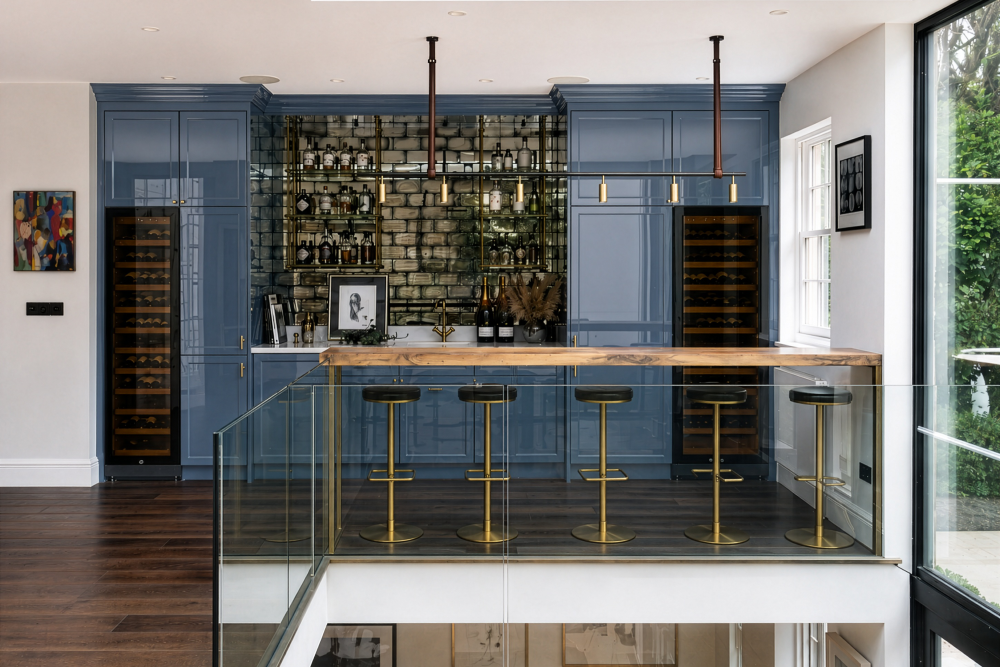
Overcoming HVAC services constraints in listed buildings
Delivering HVAC in listed London buildings requires a careful balance between compliance, performance, and preservation.
- Listed building consent compliance: All solutions must be designed in line with planning requirements and the building’s level of protection.
- Collaboration with conservation officers: Early engagement helps ensure proposals are sympathetic to the property and more likely to gain approval.
- Respect for original fabric: Systems are designed to minimise intervention in historic walls, ceilings, and architectural features.
- Bespoke design approach: Every listed property is different, so all systems are fully customised rather than based on standardised templates.
Comfort without compromise: Heating, ventilation and performance
Modern HVAC London systems can deliver high levels of comfort in listed properties without disrupting their character or atmosphere, provided they are designed with precision from the outset.
- Near-silent operation in sensitive spaces: Systems can be engineered to operate discreetly in bedrooms, studies, and other quiet areas where acoustic performance is critical.
- Zoned temperature control: Different areas of the home can be independently controlled to improve comfort, efficiency, and flexibility.
- Managing overheating risks: Older buildings can be prone to heat retention, particularly in upper floors or rooms with limited ventilation, requiring careful system design.
- Correct sizing and airflow design: performance depends heavily on accurate load calculations and airflow planning, ensuring the system operates efficiently and effectively.
Ultimately, achieving this level of performance requires specialist expertise across the entire project lifecycle, from initial design and planning through to installation and ongoing maintenance. It is not a process suited to off-the-shelf or DIY approaches.
Calibre’s approach to listed properties
At Calibre, listed and conservation-area homes are treated as highly individual HVAC London projects that demand precision, collaboration, and specialist design expertise.
End-to-end delivery
Calibre manages the full process from initial design and planning through to installation and ongoing aftercare, ensuring continuity and accountability at every stage.
Early-stage involvement
By working alongside architects and interior designers from the outset, HVAC systems are fully integrated into the wider design vision rather than retrofitted as an afterthought.
Proven heritage experience
Calibre has extensive experience delivering solutions in Grade II listed and conservation-area properties across London, with a strong understanding of planning expectations and sensitivities.
Discreet, bespoke engineering
Every system is custom designed to suit the building’s fabric, layout, and constraints, with a focus on delivering high performance without visual compromise.
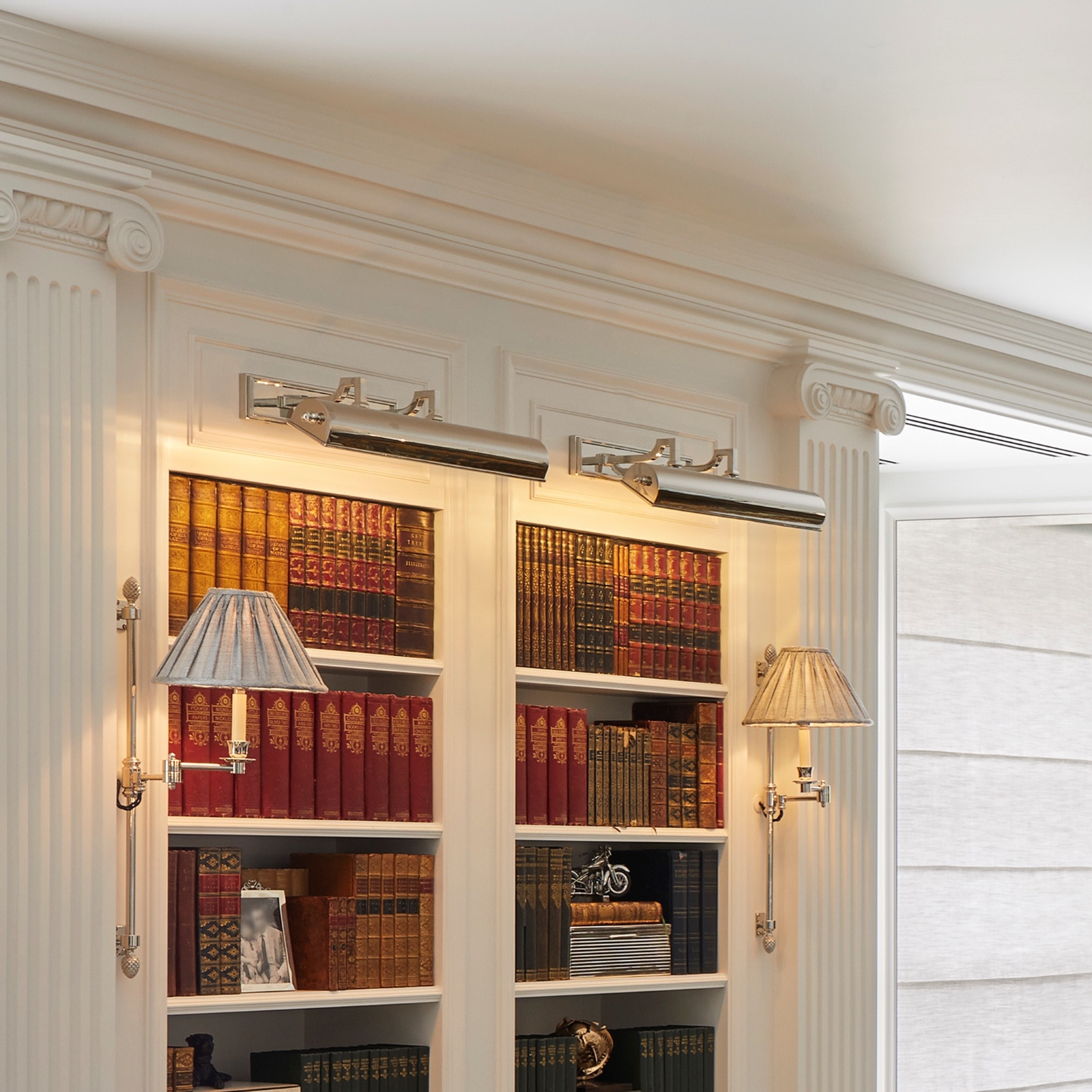
The future of comfort in heritage homes
Listed buildings no longer need to compromise on modern comfort. With the right approach, it is entirely possible to achieve precise heating, cooling, and ventilation while preserving the character and integrity of historic properties.
Success in these projects depends on early planning, close collaboration with design and conservation professionals, and the expertise to navigate complex building constraints. When these elements come together, HVAC London systems can be seamlessly integrated, delivering performance that is both discreet and highly efficient.
Modern solutions now make it possible for climate control to be virtually invisible, fully compliant with planning requirements, and tailored to the unique demands of each property.
Ultimately, conservation and comfort do not have to exist in opposition. When designed correctly, they can work together to enhance both the liveability and longevity of London’s heritage homes.
For specialist HVAC design for listed and heritage London properties, contact Calibre to discuss your project.

YOUR HOME.YOUR TEMPERATURE.
Find out how we can help you achieve the perfect temperature in your home.