HVAC London: Why Every Luxury Renovation Needs an HVAC Strategy
Build comfort into your vision
Start with a bespoke HVAC London strategy to achieve seamless integration, lasting comfort, and fewer costly changes during your renovation.
A luxury renovation is about more than creating a beautiful home. It’s about creating one that performs just as well as it looks. From year-round comfort and healthy indoor air to energy efficiency and discreet operation, a well-designed HVAC system plays a vital role in the overall living experience.
Yet HVAC planning is often treated as a technical consideration to be addressed later in the project or even left until the tender stage. In reality, it should be considered alongside the architectural and interior design from the earliest planning phases. Decisions about heating, ventilation, and air conditioning have a significant impact on room layouts, ceiling details, joinery, and the overall liveability of a home. Engaging an air conditioning (HVAC) design specialist with experience in luxury residential projects before the architectural design is finalised creates far greater opportunities for seamless integration, while reducing the risk of costly design changes and variations later in the project.
This guide explains why every luxury renovation should begin with a carefully planned HVAC strategy, covering the benefits of early collaboration, bespoke system planning, and the long-term advantages for comfort, efficiency, and your home’s overall performance.
Why HVAC planning should start at the beginning of your renovation
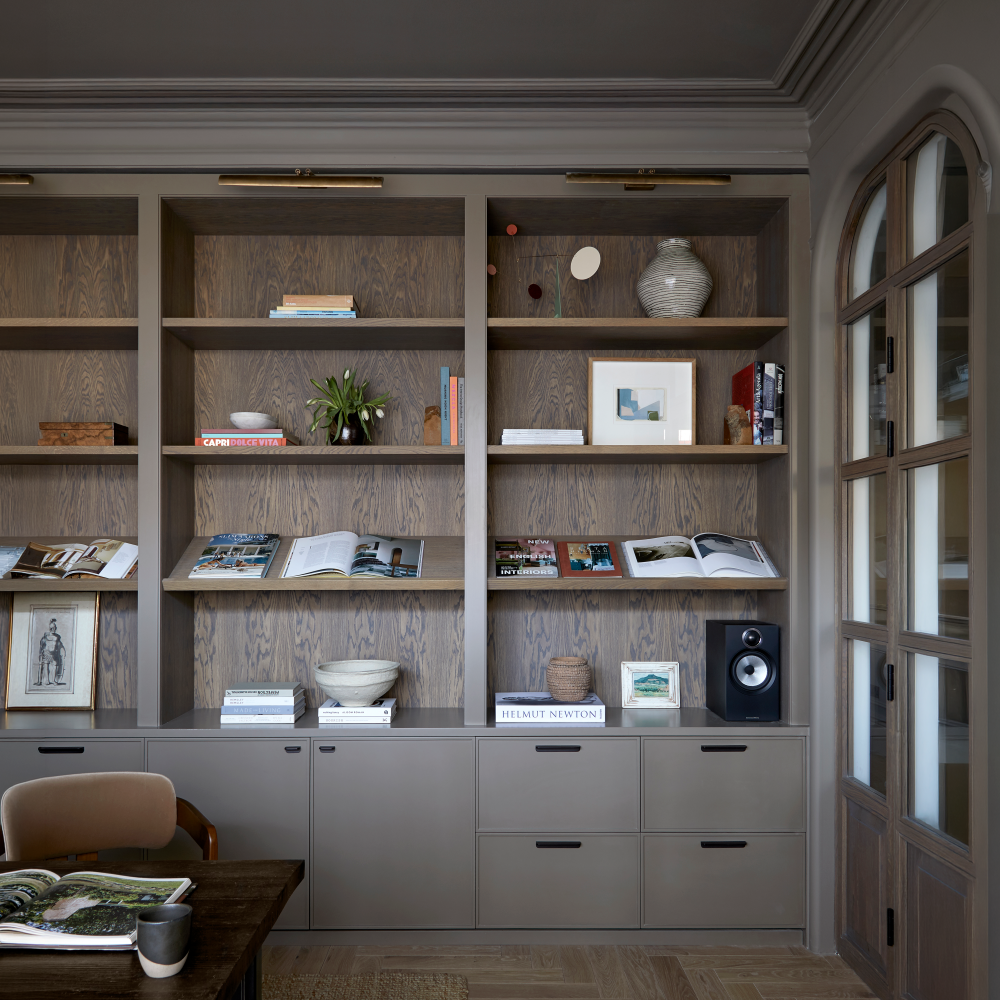
When planning an HVAC London project, HVAC design should be considered from the earliest stages of a luxury renovation, alongside the architect and interior designer. Integrating the system into the overall design from day one allows ductwork, pipework, and equipment to be concealed within the building’s structure, preserving clean lines and premium finishes.
Early involvement also allows the system to be designed and sized specifically around the way you live. This ensures it delivers the levels of comfort, performance, and noise control you expect, helping homeowners understand exactly what they are getting before construction begins, avoiding issues such as visible equipment, oversized grilles, excessive noise, or a system that doesn’t meet their lifestyle requirements.
Early planning also helps avoid conflicts with lighting schemes, structural elements, bespoke joinery, and ceiling layouts that can arise when air conditioning systems are introduced later in the project. By coordinating every aspect of the design from the outset, homeowners can maintain their original vision while minimising the risk of:
- Project variations
- Costly on-site compromises
- Construction delays
- Avoidable aesthetic outcomes
Investing a small amount of time in HVAC design during the planning stage can save significant time, cost, and compromise during construction while delivering a far better final result.

What should be defined before HVAC London design begins?
Before an HVAC system can be designed, it’s important to establish a clear brief that defines exactly what you want the system to achieve. These decisions should be made during the early design stages, as they influence everything from the architectural layout to the system specification, installation requirements, and overall project cost.
A clear HVAC brief should consider:
- The level of heating and cooling performance required, based on how you live.
- How fresh air and ventilation will be provided to create a comfortable, healthy indoor environment.
- Indoor air quality and humidity control requirements to improve comfort, reduce pollutants, manage moisture levels, and help protect interior finishes.
- How visible or discreet you want the system to be.
- The level of operating noise you expect, from a standard quiet system to one designed for near-silent operation.
- How you want to control the system, whether through simple room thermostats, wall-mounted controllers, mobile apps, or integrated home automation.
- Which rooms or areas of the home require heating and cooling, and whether different spaces need independent temperature control.
- Planning, access, and maintenance considerations that may influence equipment location and future servicing requirements.
Defining these requirements before the architectural design is finalised allows the air conditioning system to be designed around your lifestyle rather than forcing compromises later in the project. It also ensures the correct equipment, ductwork, pipework, electrical infrastructure, and space allowances are incorporated from the outset. This reduces the risk of design changes, project variations, and unnecessary costs during construction.
Why luxury London homes need a bespoke HVAC approach
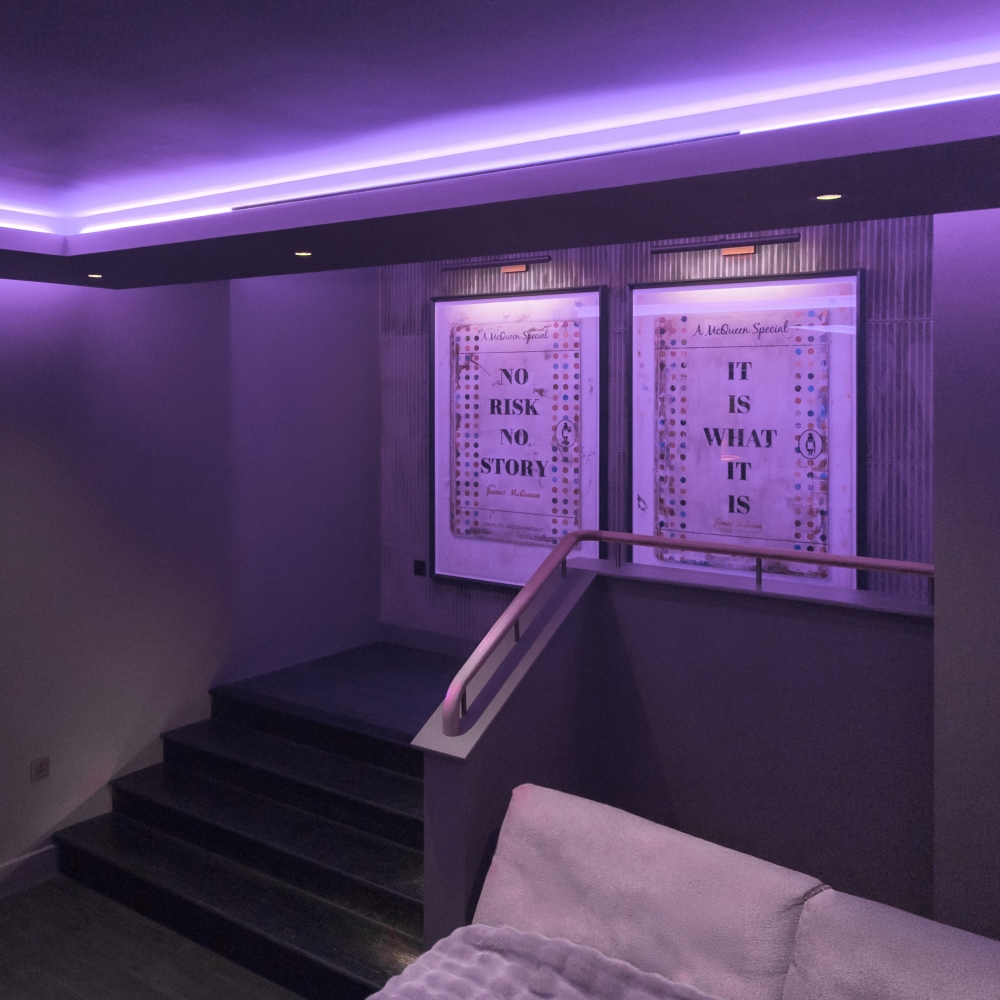
No two luxury homes are the same, which is why a one-size-fits-all HVAC system rarely delivers the level of comfort, efficiency, and discretion that high-end renovations demand. In London, this is particularly important because much of the city’s housing stock is older, architecturally significant, or protected by planning and conservation requirements, making air conditioning design far more complex than a standard residential installation.
Luxury London properties often require specialist design to overcome challenges such as:
- Period and listed properties, where preserving original features is a priority.
- Conservation area and planning restrictions that can limit where external equipment can be located or how the building can be altered.
- Existing windows or building fabric that cannot easily be replaced or modified, affecting heat gain, heat loss, and overall system design.
- Basement extensions, which require careful ventilation and humidity control.
- Limited plant space, where equipment must be integrated efficiently without compromising valuable living spaces.
Beyond the property itself, the HVAC system should also be designed around the homeowner. Every client has different expectations for comfort, appearance, control, and performance, so a bespoke design begins by understanding how they want to live in the space.
Unlike off-the-shelf domestic air conditioning systems, which often rely on visible wall-mounted units or standard ducted systems with prominent grilles, a bespoke HVAC design offers far greater flexibility. Equipment can be selected, sized, and integrated to suit the property’s architecture and the homeowner’s individual requirements. This creates a solution that is discreet, quiet, and tailored specifically to the way they live.
A bespoke HVAC solution for London homes takes these factors into account from the outset, designing a system that works with the architecture rather than against it. The result is a home that maintains consistent comfort, operates quietly and efficiently, and preserves the clean, luxurious aesthetic that defines a high-end renovation.
.jpg)
The long-term benefits of an integrated HVAC system
Investing in a well-planned HVAC strategy delivers benefits that extend far beyond the completion of your renovation. By integrating heating, ventilation, and air conditioning into the design from the outset, homeowners can enjoy a more comfortable, efficient, and future-ready living environment.
Key long-term benefits include:
- Consistent comfort with even temperatures throughout the home, regardless of the season.
- Improved indoor air quality through effective ventilation, filtration, and humidity control.
- Quiet, discreet operation with equipment and services carefully concealed within the property’s design.
- Greater energy efficiency, helping to reduce running costs and environmental impact.
- Protection of your interior design, avoiding exposed ductwork, bulky equipment, or disruptive retrofits.
- Enhanced property value, with a high-performance HVAC system adding long-term appeal for future buyers.
By planning ahead, you can create a home that not only looks exceptional but also performs efficiently and comfortably for years to come.
{{standout}}Partnering with HVAC London specialists from day one
A successful luxury renovation depends on more than exceptional architecture and interior design. Heating, ventilation, and air conditioning should be considered a core part of the project from the very beginning, ensuring every system is seamlessly integrated into the home rather than added as an afterthought.
Early planning with an HVAC London specialist helps prevent costly design changes, construction delays, and visible compromises, while creating a home that delivers outstanding comfort, energy efficiency, healthy indoor air, and discreet performance. This is particularly important in London, where period properties, basement extensions, and limited plant space often require carefully tailored solutions.
At Calibre, we work closely with homeowners, architects, and interior designers from the earliest stages of a project to develop bespoke HVAC London strategies that complement both the property and the lifestyle of those living in it.
If you’re planning a luxury renovation, speak to the Calibre team at the very earliest stage of the project. The best results are achieved when air conditioning and ventilation are considered as part of the design from its initial inception, allowing the system to be fully integrated into the architectural concept rather than adapted later.
Early collaboration provides maximum design flexibility, helps minimise project variations, and ensures a discreet, high-performance system that supports the overall vision of the home.

YOUR HOME.YOUR TEMPERATURE.
Find out how we can help you achieve the perfect temperature in your home.