
HVAC Planning for Architects & Interior Designers: Designing Comfort into London Homes from Day One
Designing high-end homes in London now demands more than strong architecture and interiors. It requires comfort to be engineered from the outset. Yet in many HVAC London residential projects, systems are still often treated as an afterthought, resolved only once the design is already fixed.
That approach no longer works.
A clear shift is underway from reactive fixes to proactive building services design. In a city shaped by airtight construction, overheating risk, heritage constraints, and limited space, comfort has to be designed in early. And ‘comfort’ goes far beyond heating; it means year-round thermal stability, clean air, controlled humidity, low noise, and systems that are effectively invisible.
Expectations have risen with it. Homeowners and developers increasingly see poorly integrated services not as minor issues, but as fundamental design flaws. At the same time, interior designers now play a critical role in determining how well these systems perform, through decisions on layout, ceilings, and finishes.
In London’s complex residential context, HVAC strategy can’t sit in isolation. It needs to be part of the design conversation from day one, aligned with architecture, interiors, and planning constraints to deliver homes that are comfortable, quiet, and built to last.
What “comfort” actually means in modern residential design
Comfort in modern London homes goes far beyond how quickly a space can be heated. It’s about creating an environment that feels consistently right all year round, adapting to seasons, occupancy, and individual preferences.
At its core is flexible temperature control. Rather than focusing solely on heating performance, well-designed HVAC systems allow precise adjustment throughout the year, maintaining the right conditions at all times, not just in winter.
Acoustic comfort is equally important, and often overlooked. The sound of a system can significantly influence how a space feels. Achieving quiet operation requires careful design, including attenuation measures that can increase spatial requirements. These can be installed above, below, or both for near-silent performance. However, noise is subjective. Some clients prefer complete silence, while others want a subtle indication the system is running. Defining this early ensures the system is tailored to the user. External units, by contrast, must meet strict planning requirements, typically operating below background noise levels.
In London’s high-end residential market, expectations are rising, but HVAC is still too often treated as a generic specification item. True comfort cannot be delivered through a one-size-fits-all approach. It needs to be designed around the end user from the outset.
This is driving demand for invisible systems. HVAC is now fully integrated into the design, concealed within ceilings, joinery, and floor build-ups. In luxury homes, visible grilles or units are no longer acceptable compromises.
Interior designers are playing a growing role in shaping these outcomes. With more holistic involvement, they influence not just aesthetics but performance, recognising that systems like air conditioning are integral to the final result. Comfort is no longer an afterthought, it’s designed in from day one.
The London context: Constraints that shape HVAC (Heating, Ventilation, Air Conditioning) decisions
Designing HVAC London systems comes with a unique set of challenges. The city’s architectural character, planning framework, and urban density all place real limits on what’s possible, making early, coordinated design essential.
Key constraints include:
- Dense urban fabric: Tight sites are common, and while external plant space isn’t always restricted, it often requires careful planning to accommodate equipment without compromising design.
- Planning restrictions: Conservation areas and listed buildings are widespread. Systems must respect local character and demonstrate minimal visual and environmental impact.
- Overheating risk: London’s density, older building stock, and the urban heat island effect mean many properties retain heat, increasing the risk of overheating, particularly in summer.
- Noise considerations: With terraced homes, shared buildings, and luxury apartments in close proximity, external units must be carefully specified and positioned. Acoustic performance, unit selection, and placement all need to balance compliance, discretion, budget, and neighbour impact.
- Design vs practicality: Ambitious architectural intent must be balanced with compliance, performance, and buildability.
In this context, HVAC decisions can’t be made in isolation. They need to respond directly to the constraints of each site, without compromising the overall design vision.
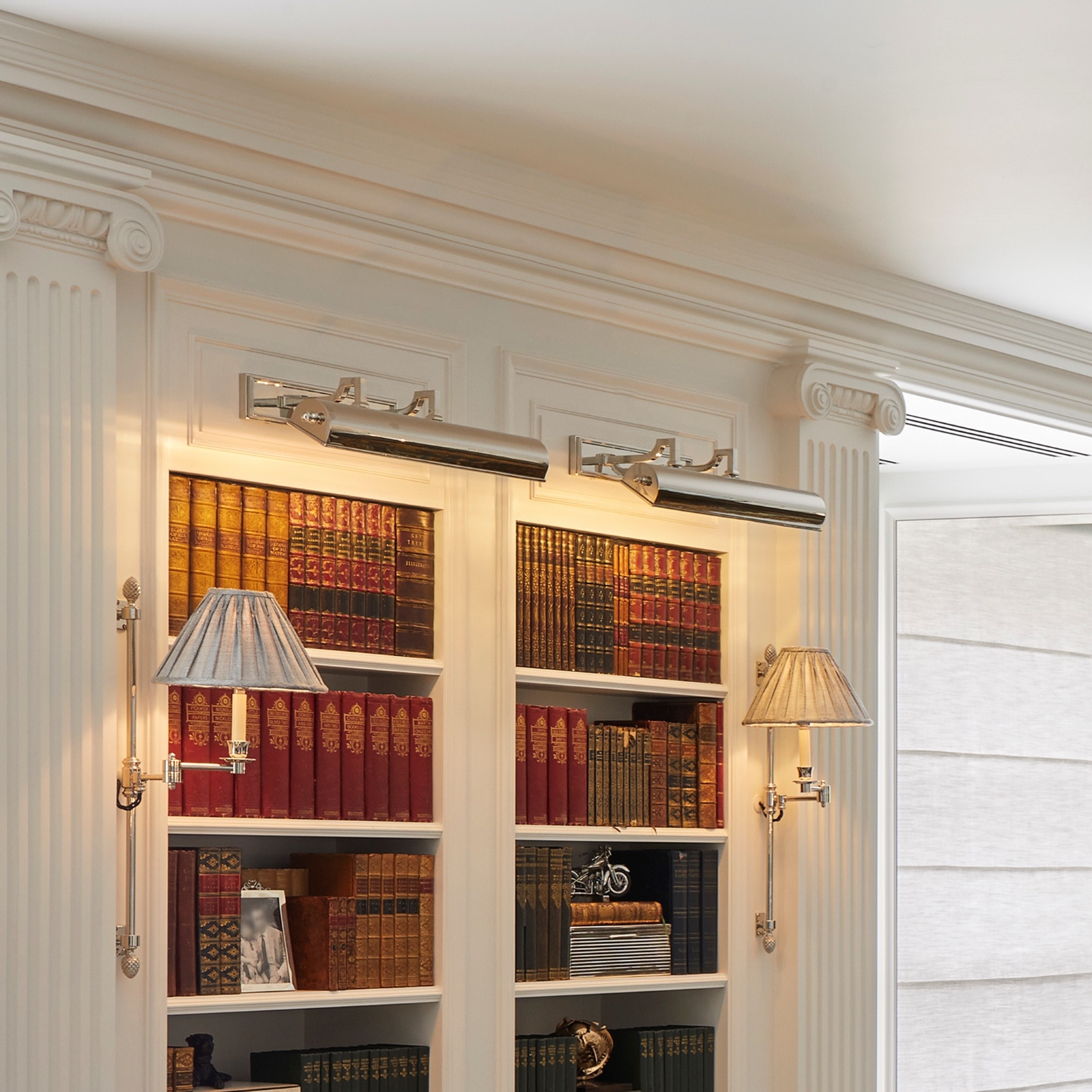
Early coordination: Where architects, interior designers and HVAC must align
The success of any residential London HVAC strategy is largely defined at the earliest design stages. Without proper coordination, systems are often forced to adapt to the architecture, leading to compromises in both performance and aesthetics.
Key areas where air conditioning impacts the design include:
- Garden landscaping and external zones: Placement of external units, along with pipework routes and trenching requirements during construction.
- Ceiling heights and spatial allowances: Ensuring sufficient space for units, ductwork, and attenuation without compromising proportions.
- Joinery and storage: Coordination with cabinetry to accommodate units or maintain usable storage space.
- Wall and eaves voids: Using available voids effectively for distribution while maintaining accessibility.
- Access strategy: Positioning access panels discreetly but in safe, practical locations for maintenance, avoiding areas like stairwells.
- Controls strategy: Preventing “wall acne” through considered placement and integration of controls.
- Air terminals: Early planning of how and where air is supplied and returned.
Visual challenges are equally important and often overlooked:
- Default system aesthetics: Avoiding standard solutions like cattle-grid grilles, large wall-mounted units, or prominent linear slots.
- Integrated design approach: Replacing product-led solutions with architectural features that double as air paths.
- Architectural detailing opportunities: Using shadow gaps, plinth slots, ceiling perimeters, coffered or recessed ceilings, and cornice details to conceal airflow.
- Consistency with design intent: Ensuring all visible elements align with the overall interior vision.
When these elements are addressed early, HVAC becomes fully integrated into the design, supporting performance while preserving clean, intentional aesthetics.
Designing for space, silence, and maintenance
Good HVAC design isn’t just about system selection; it’s about how those systems are integrated into the building fabric, both physically and acoustically, from the very beginning.
Plant rooms, risers, and hidden service zones
Adequate provision for plant rooms, risers, and concealed service routes need to be considered from the earliest design stages. Retrofitting space for services later almost always leads to compromises in performance or layout.
Keeping systems accessible without compromising design
HVAC systems must remain accessible for inspection and maintenance, but this access should be integrated discreetly.
With careful detailing, elements like access panels can be integrated into features such as wall panelling or joinery, appearing as part of the design while remaining fully removable when needed. This approach ensures systems are practical to maintain without disrupting the visual integrity of the space.
Acoustic considerations in residential comfort
Noise control is a key part of perceived comfort, especially in high-end homes. However, there is no single standard. Acoustic expectations often vary from room to room.
Bedrooms are typically designed for near-silent operation, while areas like kitchens or living spaces can tolerate a higher level of background noise. This makes it essential to tailor the system to the way each space is used, rather than applying a uniform approach throughout.
Ductwork design, equipment selection, attenuation, and vibration isolation all play a role in achieving the right outcome. When considered early, these elements ensure the system supports comfort in a way that aligns with how the home is actually lived in.
Minimising visual impact of external units
External plant should be carefully positioned to reduce both visual and acoustic impact. In London projects, this is often essential due to planning constraints as well as expectations of high-end residential design.
Where units are located in gardens or visible outdoor areas, they can be concealed using acoustic enclosures or louvred screens, designed to align with the surrounding landscaping rather than stand out. Alternative locations such as lightwells, rooftops, or small auxiliary external structures can also be used to keep equipment discreet.
With the right approach, external units can be effectively hidden while remaining compliant, accessible, and acoustically controlled.

Comfort, carbon, and future-proofing
Modern HVAC design has to balance immediate comfort with long-term environmental and regulatory performance. Decisions made early in the process can either support flexibility or limit it.
Aligning HVAC strategy with net zero goals
Early-stage design input is critical to avoid overspecifying equipment. By involving HVAC specialists like Calibre from the outset, systems can be properly calculated to meet the required cooling load using the lowest possible energy input.
This not only improves efficiency but also allows the wider energy strategy of the home to be considered, such as integration with solar generation versus reliance on grid or fossil-fuel-based energy sources.
Better buildings start with integrated thinking
Truly high-performing London homes are not the result of treating HVAC as a separate technical layer, but of integrating it into the design from the very beginning. When comfort, efficiency, and system performance are considered alongside architectural intent, the building works better in every sense.
Early collaboration between architects, interior designers, and HVAC specialists such as Calibre is what makes this possible. It reduces conflicts later in the process, avoids costly redesigns, and ensures that aesthetic decisions and technical requirements support rather than compete with each other.
The outcome is straightforward: homes that feel comfortable, operate quietly, and perform efficiently without compromise. When integration happens early, HVAC stops being an afterthought and becomes an essential part of good design.
To discuss how early-stage HVAC design can improve performance, comfort, and compliance in your next HVAC London project, get in touch with Calibre.

YOUR HOME.YOUR TEMPERATURE.
Find out how we can help you achieve the perfect temperature in your home.