1-4-3.jpg)
Is MVHR Noisy? What You Should Expect in Real Homes
Expertly designed MVHR, built for quiet performance
Discover how a professionally designed MVHR system can deliver continuous fresh air, improved comfort, and whisper-quiet performance tailored to your home.
One of the most common questions homeowners ask when considering Mechanical Ventilation with Heat Recovery (MVHR) is whether the system will be noisy. In modern airtight homes, where ventilation plays a crucial role in maintaining indoor air quality and comfort, concerns about constant fan noise or intrusive airflow are understandable.
The good news is that a properly designed and installed MVHR system is typically quiet in day-to-day operation. In many homes, occupants barely notice it running at all. However, as with any building service, the reality depends on factors such as system design, ductwork layout, installation quality, and maintenance.
In this article, we’ll explore what “quiet MVHR” really means, the situations where a system may become more noticeable, and what homeowners should realistically expect from a well-performing system. We’ll also explain why noise issues are usually linked to design or installation problems rather than the technology itself, helping you separate common myths from real-world experience.
What “quiet MVHR” actually means
A properly designed and installed MVHR system should be barely noticeable during normal operation. Rather than creating constant background noise, it delivers fresh air quietly and continuously throughout the home.
Typical noise levels in living spaces are:
- 20-35 dB(A) in normal operation
- Comparable to a quiet office, library, or background room ambience
- Often difficult to distinguish from everyday household background noise
At low ventilation rates, often referred to as “trickle” mode, many occupants barely notice the system running. Airflow remains gentle, and any sound produced is usually minimal.
The important thing to remember is that quiet operation is the norm for a well-designed system, not an exception.
When MVHR systems can become noticeable
MVHR systems are not inherently noisy, but there are situations where they may become more noticeable. In most cases, the issue lies with system design or installation rather than the technology itself.
Common causes of noise include:
- Higher fan speeds during boost mode in kitchens, bathrooms, or utility rooms
- Poor duct design that creates excessive air velocity
- Tight bends or undersized ductwork that cause airflow turbulence
- Poorly positioned air terminals located close to occupied areas
- Vibration transfer from units that have not been properly isolated from the building structure
While a brief increase in airflow noise during boost mode is normal, persistent or excessive noise often indicates that the system has not been designed, installed, or commissioned correctly.
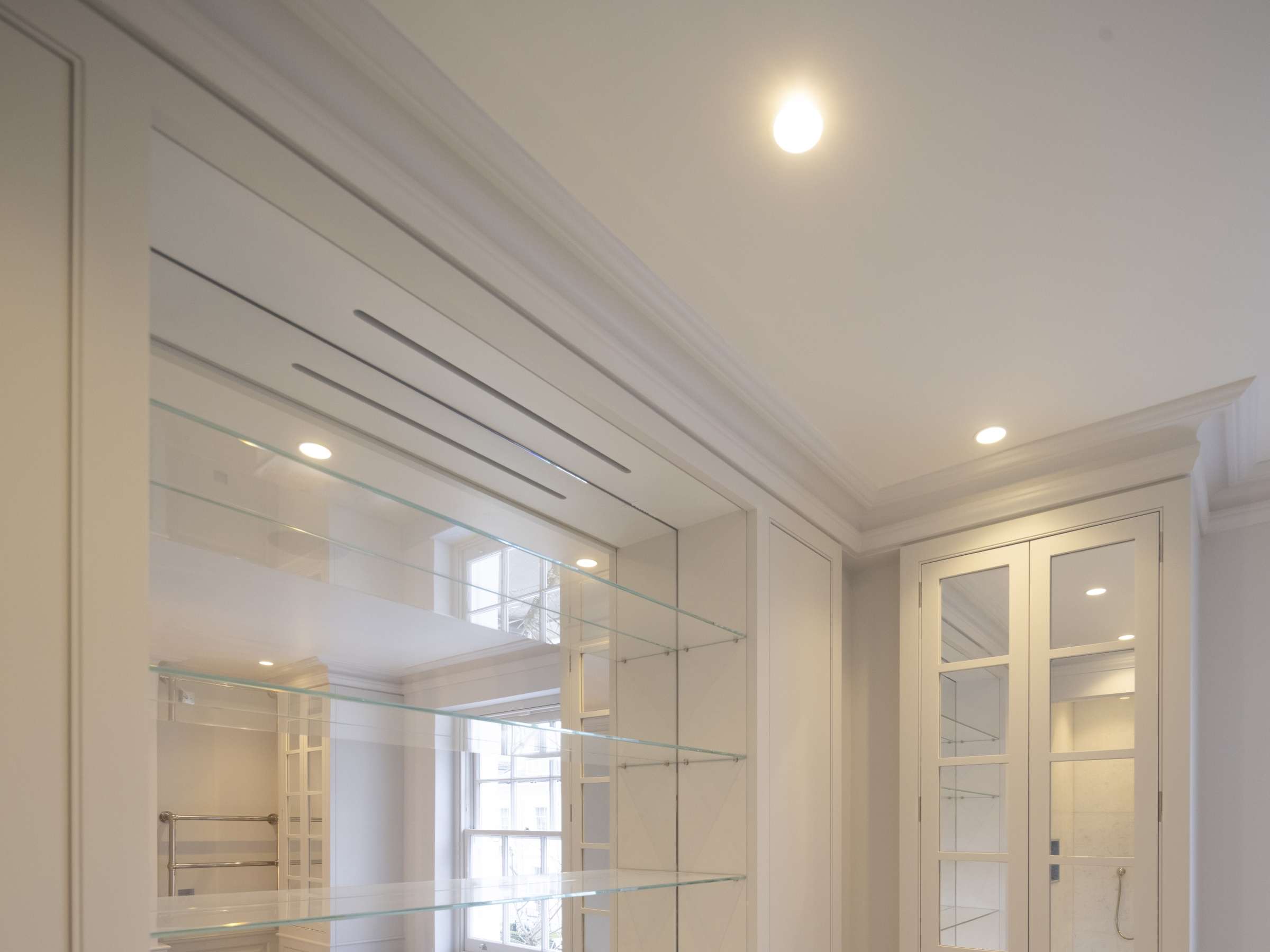
The difference between design vs reality
On paper, MVHR systems are designed to operate quietly and efficiently. In reality, the homeowners’ experience depends largely on how well the system has been designed, installed, and commissioned.
A well-designed system should be almost imperceptible in living spaces, delivering a continuous supply of fresh air without noticeable draughts or disruptive noise. In many homes, occupants quickly become accustomed to the system and rarely notice it operating at all.
When noise becomes a regular concern, it is typically the result of design or installation shortcomings rather than the technology itself. This is why careful system design and professional installation are essential to achieving the quiet performance MVHR systems are known for.
How installation quality affects noise
The quality of the design and installation plays a major role in how quiet an MVHR system will be.
Good design and installation:
- Keeps air speeds low
- Reduces airflow noise
- Minimises vibration transfer
- Delivers quieter day-to-day operation
Poor design and installation:
- Forces fans to work harder
- Creates higher air velocities
- Increases airflow noise and turbulence
- Can lead to noticeable vibration and sound
In many cases, the difference between a virtually silent MVHR system and a noisy one comes down to the quality of the design and installation rather than the unit itself.
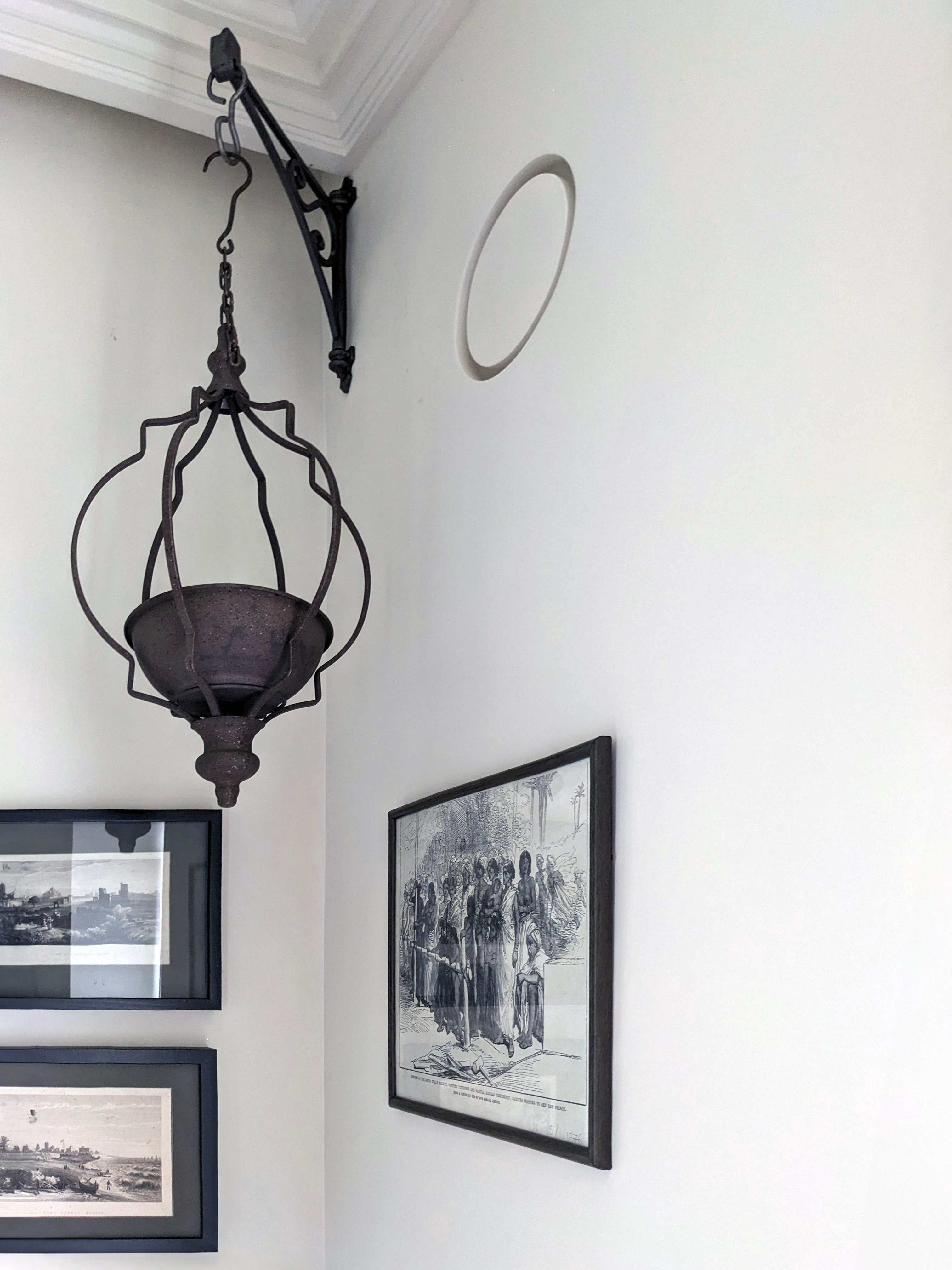
What homeowners should expect in real homes
For most homeowners, a properly designed system will be barely noticeable during everyday use. While some level of sound is inevitable with any mechanical system, it should not be intrusive or disruptive.
Typical operating conditions include:
- Normal operation: A very quiet background hum or near-silence in most living spaces
- Boost mode: A temporary increase in airflow noise when the system ramps up in kitchens, bathrooms, or utility rooms
- Poorly designed or faulty systems: More noticeable noise, airflow sounds, or vibration that can become distracting over time
In a well-designed home, MVHR operates quietly in the background, maintaining indoor air quality without becoming a noticeable feature of daily life.
{{standout}}The real answer: How noisy is MVHR?
MVHR systems are not inherently noisy. In properly designed homes, they operate quietly in the background and are often quieter than typical household ambient noise.
When noise does occur, it is usually linked to design flaws that increase air speeds or restrict airflow, installation mistakes that affect duct layout or system balance, or a lack of maintenance that reduces efficiency and increases strain on the system.
When correctly specified, installed, and maintained, MVHR provides continuous ventilation with minimal sound, supporting a comfortable and healthy indoor environment without disruption.
For homeowners looking to achieve a quiet, efficient system, Calibre designs, supplies, and installs MVHR solutions tailored to each property, ensuring optimal performance and low-noise operation throughout the home.

YOUR HOME.YOUR TEMPERATURE.
Find out how we can help you achieve the perfect temperature in your home.