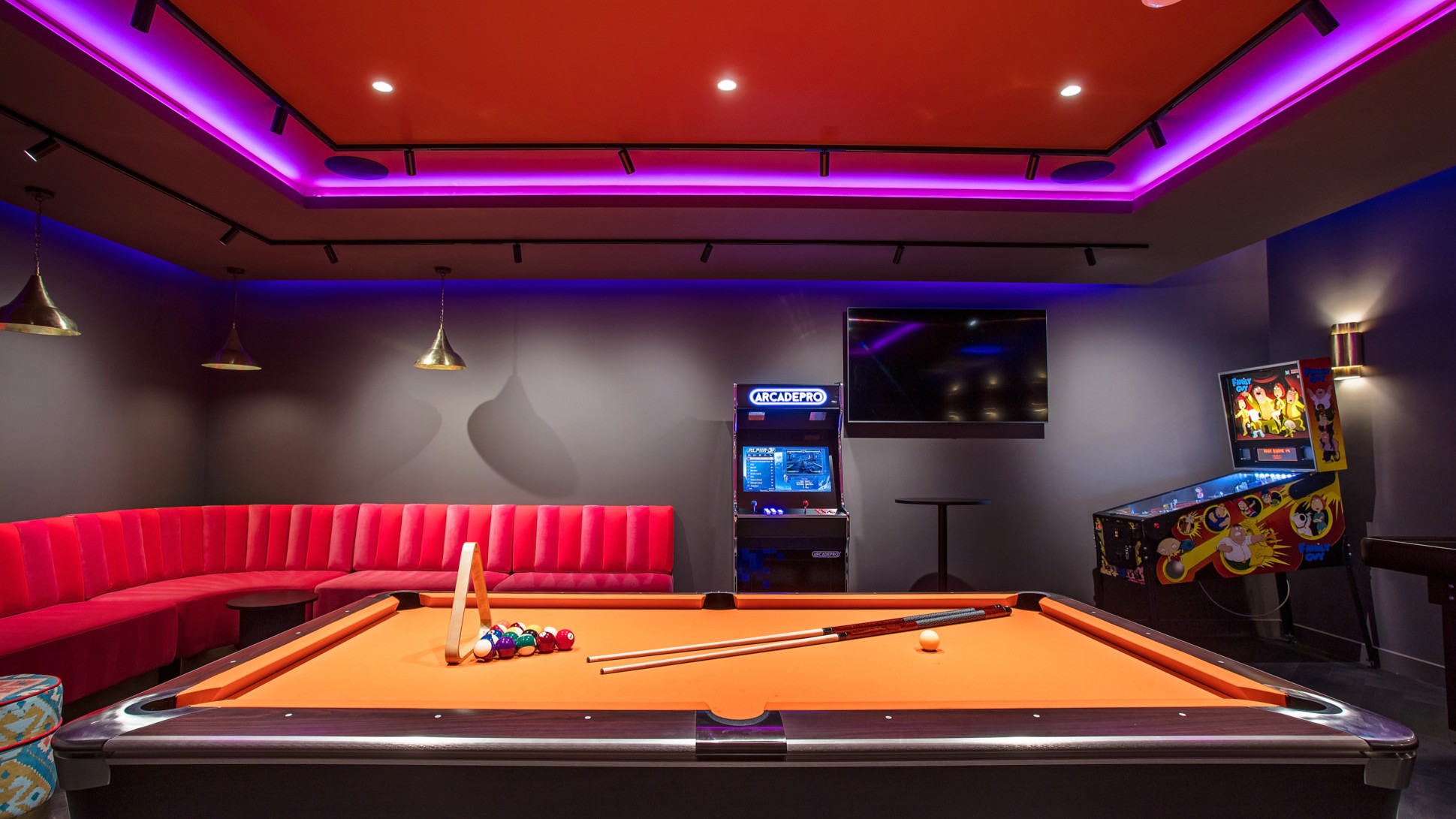
MVHR in Basement Extensions: Challenges in London Developments
Design your basement MVHR system before construction begins
Avoid costly compromises with a bespoke MVHR strategy designed around your basement extension, lifestyle requirements, and architectural vision.
Basement extensions have become increasingly popular in London’s luxury homes, creating valuable spaces for cinemas, gyms, bedrooms, and wellness areas. However, below-ground environments behave very differently from the rest of the home, making effective ventilation essential.
With limited natural airflow, higher moisture risks and heat generated by occupants, lighting and equipment, basements can quickly become uncomfortable without the right ventilation strategy. Mechanical Ventilation with Heat Recovery (MVHR) provides a continuous supply of fresh, filtered air while removing stale air and recovering heat, helping maintain a healthy and comfortable indoor environment.
Designing MVHR for basement spaces is not a plug-and-play solution. Restricted space, complex ductwork, acoustic performance and coordination with the wider building design all require careful planning from the outset.
In this guide, we explore the key challenges and why bespoke MVHR design is critical for successful basement developments in London.
Why basements are more complex than other parts of the home
Unlike above-ground rooms, basements present unique environmental and construction challenges that have a direct impact on ventilation design. An MVHR system must be engineered to overcome these constraints while maintaining comfort, efficiency and quiet operation.
Key challenges include:
- Limited natural ventilation due to a lack of windows and external openings, reducing opportunities for fresh air and circulation.
- Heat build-up from lighting, occupants and equipment, particularly in spaces such as home cinemas, gyms, and entertainment rooms.
- Higher moisture levels caused by below-ground conditions, increasing the risk of condensation if ventilation is inadequate.
- Restricted ceiling voids that leave less space for ductwork, services, and plant equipment.
- Greater sensitivity to noise, making careful acoustic design essential to prevent ventilation systems from disrupting enclosed living spaces.
These factors mean basement Mechanical Ventilation with Heat Recovery systems require a bespoke design approach rather than simply extending the ventilation strategy used elsewhere in the home.
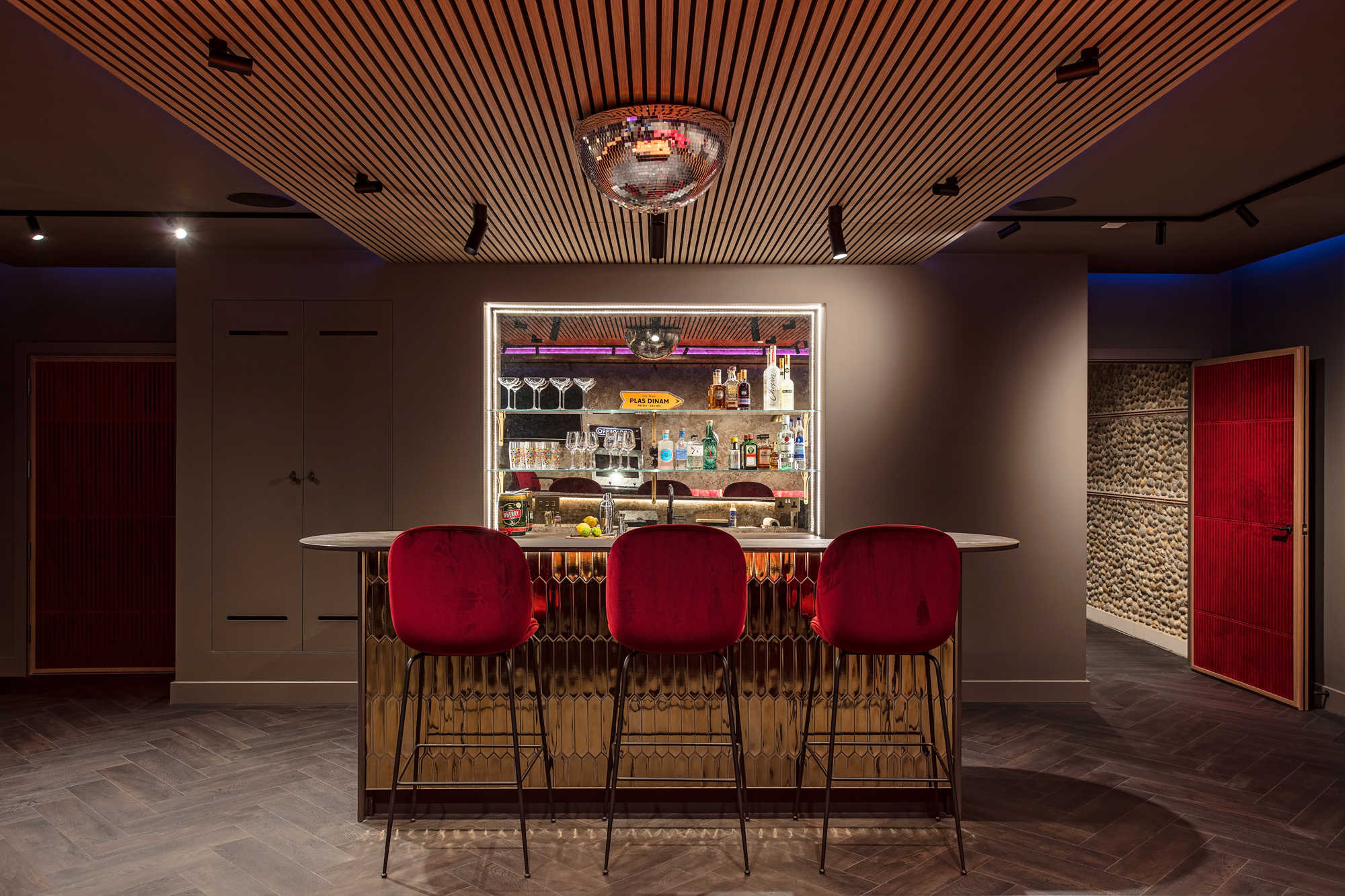
How MVHR works in basement environments
An MVHR system provides continuous, controlled ventilation, helping maintain a healthy and comfortable environment in enclosed basement spaces. Rather than relying on natural airflow, it delivers fresh, filtered air while removing stale, moisture-laden air.
Key elements of an effective basement system include:
- Continuous air exchange to remove stale air and introduce a constant supply of fresh, filtered air.
- Heat recovery that transfers warmth from extracted air to incoming fresh air, helping maintain stable indoor temperatures while improving energy efficiency.
- Balanced airflow, ensuring the correct supply and extract rates to prevent pressure imbalances and maintain consistent ventilation throughout the space.
- Accurate system sizing, with airflow rates carefully calculated to suit the basement’s size, layout and intended use, ensuring effective performance without excessive noise or energy consumption.
When designed correctly, MVHR creates a consistently fresh indoor environment while supporting the comfort and performance expected of modern luxury basement living.
Key design challenges in basement MVHR installations
Designing a Mechanical Ventilation with Heat Recovery system for a basement extension requires careful coordination with the wider building design. Space is often at a premium, and decisions made early in the project can have a significant impact on system performance and long-term maintenance.
Common design challenges include:
- Restricted space for ductwork, plant equipment, and service routes within shallow ceiling voids.
- Long duct runs, which can increase air resistance and must be carefully designed to maintain balanced airflow.
- Acoustic performance, with ductwork, fans, and air terminals designed to minimise noise in enclosed living spaces.
- Coordination with waterproofing and structural elements, ensuring ventilation systems integrate without compromising the basement construction.
- Maintenance access, allowing filters and equipment to be serviced without disrupting high-end finished interiors.
- Integration with lighting, joinery, and ceiling layouts, ensuring ventilation is both effective and visually discreet.
Addressing these challenges during the design stage helps deliver an MVHR system that performs efficiently, operates quietly, and integrates seamlessly into luxury basement developments.

Designing MVHR properly for high-end basement spaces
An effective basement MVHR system is the result of careful planning and coordination. Every element should be designed around the property’s layout, intended use, and wider building services.
Early design integration
Mechanical Ventilation with Heat Recovery should be planned alongside architects, structural engineers, and interior designers from the outset, ensuring sufficient space for ductwork, plant equipment, and ventilation routes.
Room-by-room airflow design
Each space has different ventilation requirements. Areas such as home cinemas, gyms, spas, and bedrooms require bespoke airflow calculations based on their size and intended use.
Strategic plant positioning
The MVHR unit should be located to maximise efficiency while allowing easy access for future maintenance and filter changes.
Acoustic performance
Careful duct design and acoustic measures help ensure the system operates quietly, maintaining the comfort expected in luxury living spaces.
Coordination with the HVAC strategy
MVHR should be integrated with the home’s overall HVAC design, working alongside cooling systems to deliver a comfortable indoor environment year-round.
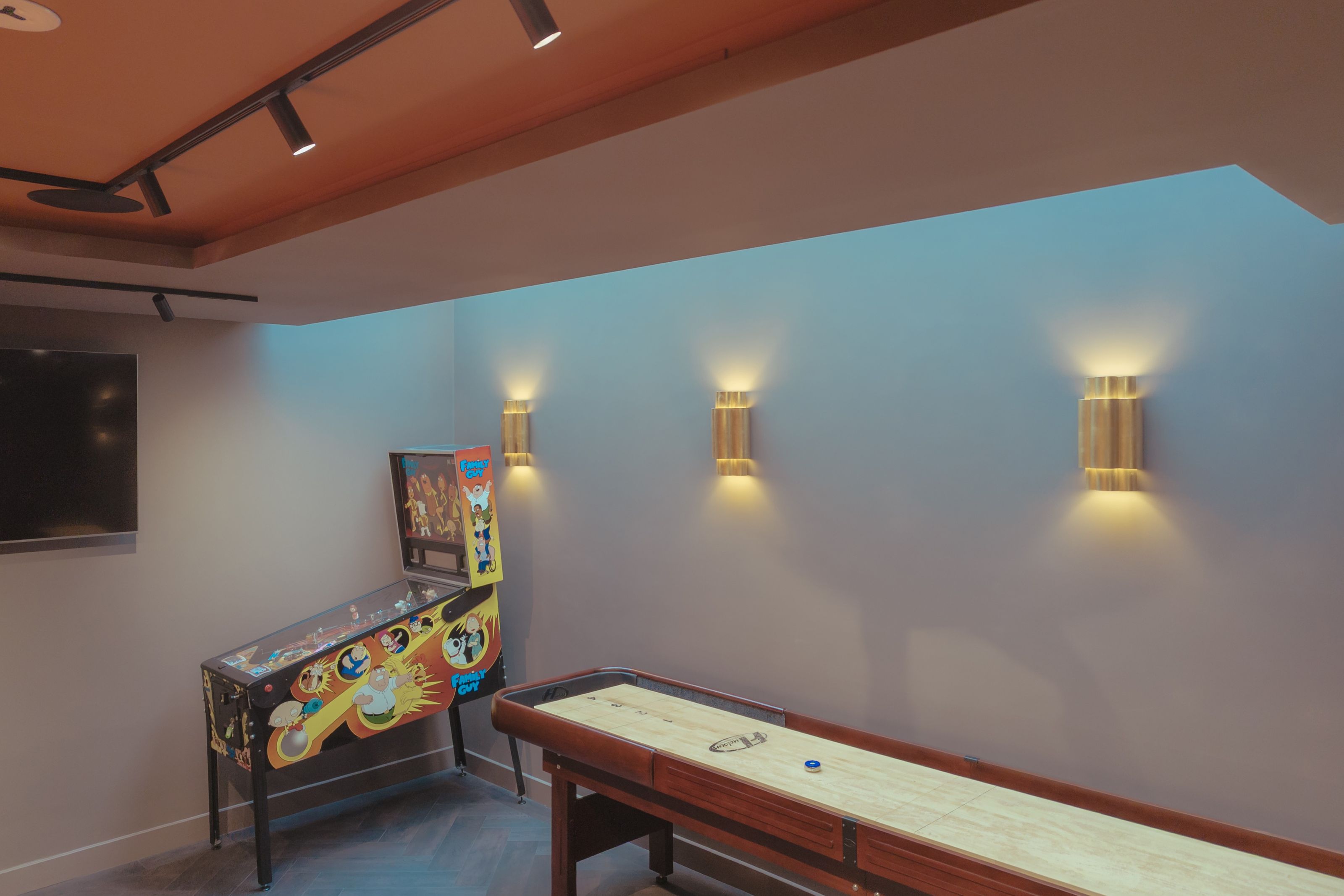
The result: Healthy, comfortable, usable basement living
When designed correctly, a Mechanical Ventilation with Heat Recovery system helps transform a basement into a comfortable, high-quality living space by providing:
- Improved indoor air quality through a continuous supply of fresh, filtered air.
- Reduced moisture and condensation risks with consistent ventilation.
- Stable year-round comfort by maintaining balanced airflow and recovering heat.
- Quiet, unobtrusive operation that complements luxury interiors.
- Greater usability, allowing basements to function as premium living spaces rather than simply additional square footage.
{{standout}}Why MVHR design cannot be an afterthought in basement projects
Designing MVHR for a basement extension requires far more than a standard ventilation solution. From restricted spaces and complex ductwork to acoustic performance and integration with other building services, every system should be engineered around the specific requirements of the property.
For London’s high-end residential developments, involving MVHR specialists early in the design process helps avoid costly compromises and ensures the system performs efficiently for years to come.
Calibre specialises in designing and integrating bespoke MVHR systems for complex residential projects, working closely with architects and interior designers to deliver healthy, comfortable, and energy-efficient living environments.
If you’re planning a basement extension, speak to the team at Calibre during the design phase to ensure your ventilation strategy is fully integrated from the outset.

YOUR HOME.YOUR TEMPERATURE.
Find out how we can help you achieve the perfect temperature in your home.