Does Retrofit Air Conditioning Ruin Interior Design? A Guide for Luxury Homes
Experience the difference of design-led retrofit air conditioning
From survey to installation, Calibre delivers bespoke systems that prioritise both comfort and craftsmanship.
One of the most common concerns homeowners and interior designers have about retrofit air conditioning is whether it will ruin the aesthetics of the home.
In luxury homes, where architectural details and carefully considered interiors are a priority, the thought of visible units, pipework, or intrusive alterations can make air conditioning feel at odds with good design. Yet demand for retrofit air conditioning continues to grow, particularly in London’s high-end homes, apartments, and refurbishment projects, as homeowners seek greater comfort without compromising aesthetics.
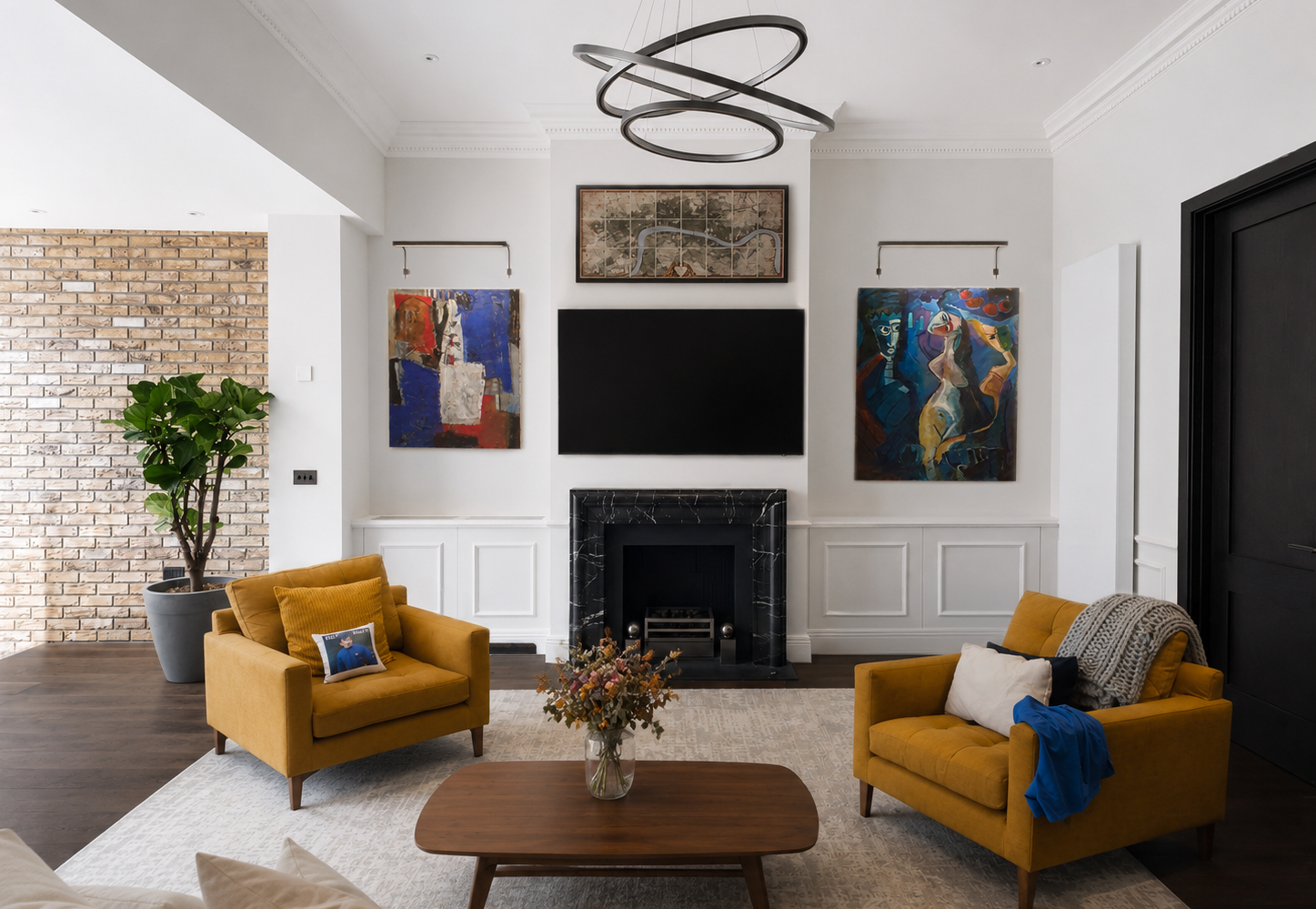
The reality is that modern retrofit air conditioning can be virtually invisible when designed correctly. Through concealed equipment, thoughtful integration, and careful coordination with the wider design of the property, today’s systems can deliver exceptional comfort while preserving the character and style of a home.
In this guide, we will explore why retrofit air conditioning sometimes gets a bad reputation, how modern systems are designed to disappear into the background, and why successful installations are as much about design integration as they are about cooling performance.
What is retrofit air conditioning?
Retrofit air conditioning refers to the installation of a cooling and climate control system within an existing property without the need for a major structural rebuild. Rather than being designed into the building from the outset, the system is carefully integrated into the existing architecture and services.
In many cases, homeowners want to improve comfort while preserving the character, layout, and interior design of the property.
This differs significantly from air conditioning design in a new-build project, where HVAC systems can be planned alongside the building’s structure and services from day one. In a retrofit project, designers must work within existing constraints, including:
- Existing ceiling heights and architectural features
- Limited service routes for pipework and cabling
- Preservation of interior finishes and decorative details
- Occupied homes where disruption must be minimised
These challenges mean retrofit air conditioning requires a more considered, design-led approach to ensure the system integrates into the property while delivering the desired level of comfort.
Why retrofit air conditioning gets a bad reputation
Retrofit air conditioning often suffers from an outdated reputation, but in many cases the issue it’s not the technology itself; it’s how the system has been designed and installed.
Poorly planned installations can result in visible equipment and awkward modifications that detract from the overall aesthetic of a property.
Common examples include:
- Prominent wall-mounted units positioned without consideration for the room’s design
- Large bulkheads or boxing that interrupt clean ceiling lines and architectural features
- Surface-mounted pipework and drainage routes that create visual clutter
- Air conditioning systems installed without coordination with interior designers, architects, or other trades
Many of these issues stem from what is often referred to as the “afterthought installation” approach. When air conditioning is considered late in a project, there are fewer options available for concealing equipment and integrating the system into the fabric of the building.
As a result, homeowners may associate retrofit air conditioning with visible compromises. In reality, these shortcomings are usually the result of poor planning and coordination rather than an unavoidable consequence of adding air conditioning to an existing property.
How modern retrofit systems can be designed to disappear
Modern retrofit air conditioning is often delivered in a way that leaves visible equipment and services on display. While this is common in the industry, it doesn’t have to be the case when the project is designed and delivered with the right level of care, coordination, and expertise.
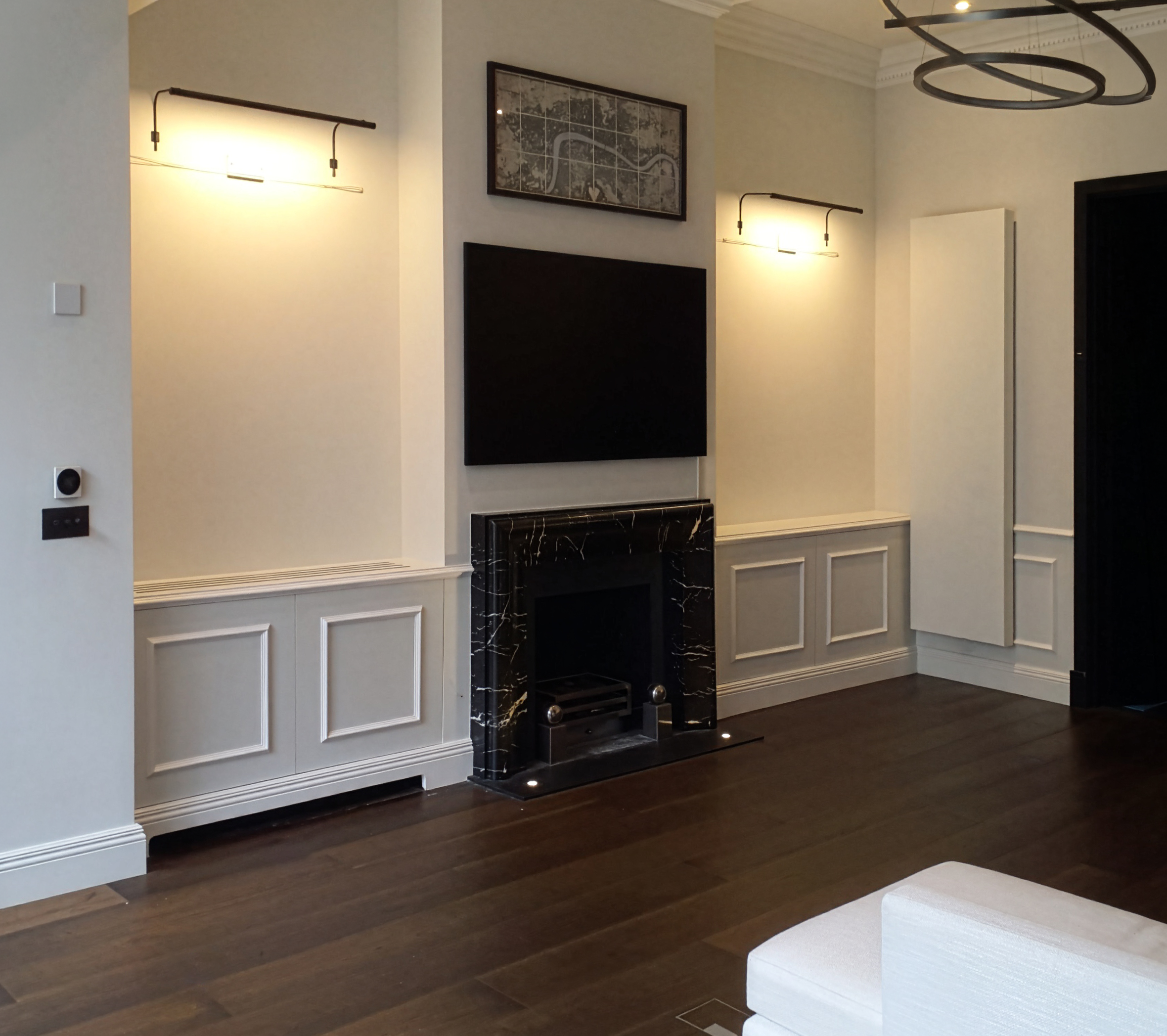
With careful planning, key components can be concealed within the existing architecture or the property, including:
- Ceiling voids
- Bespoke joinery and cabinetry
- Service spaces and other discreet locations within the building
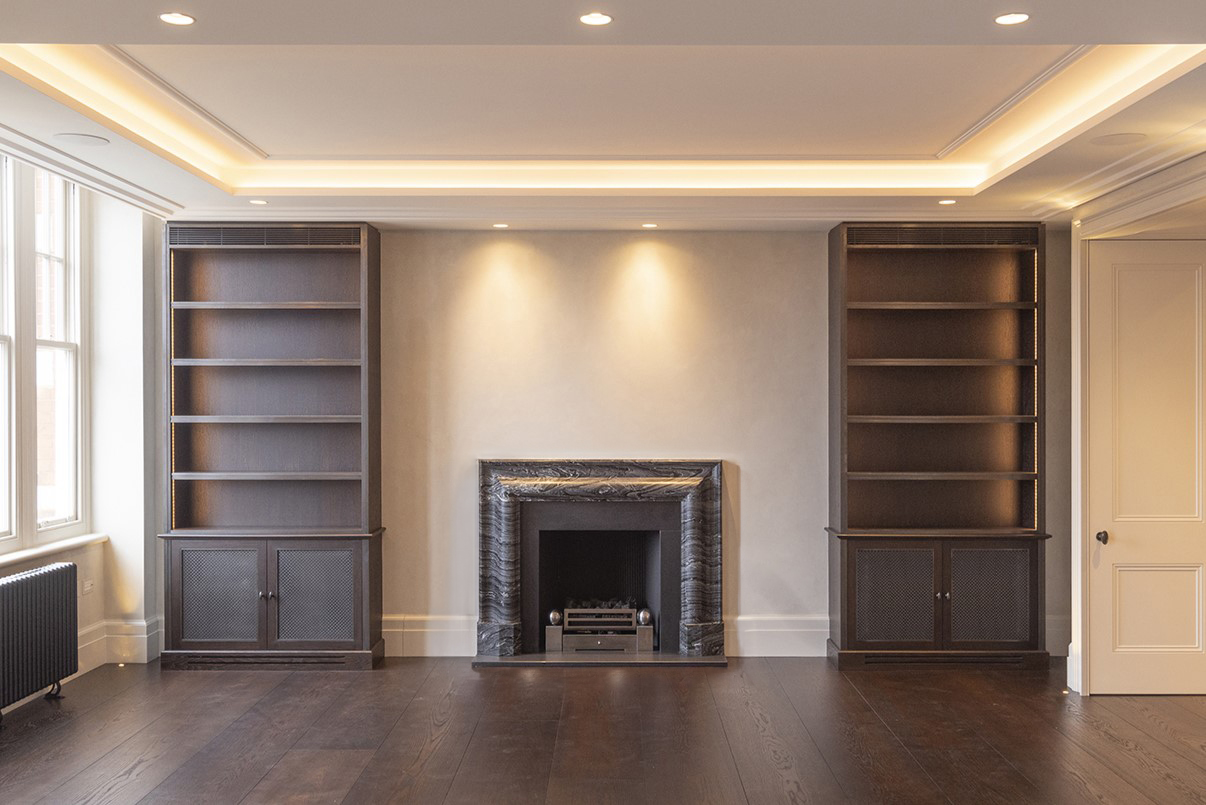
Air distribution can also be integrated thoughtfully, with solutions that blend with surrounding finishes rather than dominating the space.
The most successful retrofit projects work with the property’s existing features rather than against them. Architectural details, ceiling layouts, alcoves, joinery, and service routes can often be used to accommodate the system while maintaining the original design intent.
When approached in this way, air conditioning becomes virtually invisible, allowing homeowners to enjoy a comfortable indoor environment without compromising the character or aesthetics of their home.
The importance of a design-led, turnkey approach
Successful retrofit air conditioning is about far more than installing equipment. When delivered properly, it is a standalone, turnkey project that requires careful coordination across the areas of the building it will direct impact, to ensure both performance and a discreet visual outcome.
This includes coordination with electrical supply, spatial planning, ceiling design, joinery and any plumbing interfaces where condensate drainage is required.
A structured, end-to-end approach helps ensure the system integrates into the property while minimising disruption.
Feasibility and survey
Every project Calibre delivers begins with a detailed survey of the property. This allows us to assess existing conditions, identify suitable service routes, and understand any architectural constraints that will influence the design and installation.
Technical design
Calibre then develops a system specifically for the property, with careful consideration given to cooling loads, zoning, equipment selection, and integration with the interior design and proposed finishes.
Installation
Installation is carried out with close attention to detail, aiming to minimise disruption and protect existing finishes wherever possible, while ensuring all components are integrated as discreetly as the project allows.
Commissioning and ongoing support
Once installed, the system is fully tested and commissioned to verify performance. Calibre then provides ongoing support and maintenance to help ensure long-term efficiency, reliability, and comfort.
At Calibre, our retrofit air conditioning services are delivered through a fully managed process from design through to aftercare. This helps homeowners achieve exceptional comfort without compromising the design of their property.
{{standout}}It’s not air conditioning that ruins design; it’s poor integration
Retrofit air conditioning does not have to compromise interior design. The challenges arise when systems are poorly planned or treated as an afterthought, rather than being considered as part of the overall design of the property.
When approached correctly, retrofit solutions can be carefully integrated into existing homes, working within architectural constraints to remain discreet while delivering high levels of comfort. Early planning, collaboration between disciplines, and thoughtful integration are essential to achieving this balance.
Modern retrofit air conditioning is designed to disappear visually, preserving the character of a property while significantly improving its liveability. When it is embedded into the design process from the outset, it becomes part of the building’s hidden infrastructure rather than a visible addition.
Discover how Calibre delivers high-performance systems that integrate seamlessly into existing luxury homes without compromising design.

YOUR HOME.YOUR TEMPERATURE.
Find out how we can help you achieve the perfect temperature in your home.