Barnes I
Description
Design and installation of air conditioning to ground-floor principal rooms, including kitchen, living, dining and office spaces, as part of a new steel-frame rear extension requiring careful coordination around ceilings, joinery and existing client expectations.
Client
Private Client
Appointed By
Private Client
Design
Adie Perkins Architecture & Interiors | Souq Studio Interior Styling
The Brief
Calibre was introduced to the project through a referral from TR Studio to architect Adie Perkins. The clients required air conditioning to the ground-floor principal rooms, with cooling considered non-negotiable for the new rear open-plan space. Having previously experienced a difficult air conditioning installation elsewhere in the property, they were particularly focused on appointing a team that could coordinate properly with the design and construction process. The brief called for a sleek, consistent solution across the kitchen, living, dining and office areas, with careful consideration of the new extension structure, ceiling build-up, joinery design, external plant location and future day-to-day control.
The SOLUTION
Step 1 - Virtual Meeting
During the initial video call, we established the clients’ outline requirements, priorities and concerns following their previous experience of air conditioning works. The discussion focused on the need for early coordination, a clean visual finish, WiFi control and a solution that could serve the main ground-floor spaces without compromising the architectural or joinery design.
Step 2 - Design Workshop
As the next stage in Calibre’s five-step process, the project moved into an on-site Design Workshop. This allowed our consultants to review the proposed extension design, understand the ceiling and steelwork constraints, and explore how air conditioning could be integrated across the ground-floor rooms while maintaining visual consistency through the principal spaces.
Step 3 - Scope of Works
The scope of works translated the clients’ priorities into a clear and buildable framework. It covered air conditioning to the kitchen, living, dining and office areas, with the rear open-plan space treated as three coordinated zones. The proposal also included external plant and control strategy, with early consideration given to noise, environmental impact and line of sight. This gave the clients and architect a clear basis for moving into detailed design, with the system properly coordinated before the extension works progressed too far on site.
Step 4 - Design Development
Design development focused on integrating air conditioning into a ground-floor extension where the ceiling line, steelwork and joinery had already become critical design constraints. The existing outrigger was being removed and replaced with a new steel-frame extension pushed out towards the boundary, with the ceiling installed tight to the underside of the steels at around three metres. This left limited build-up for services, making early coordination essential.
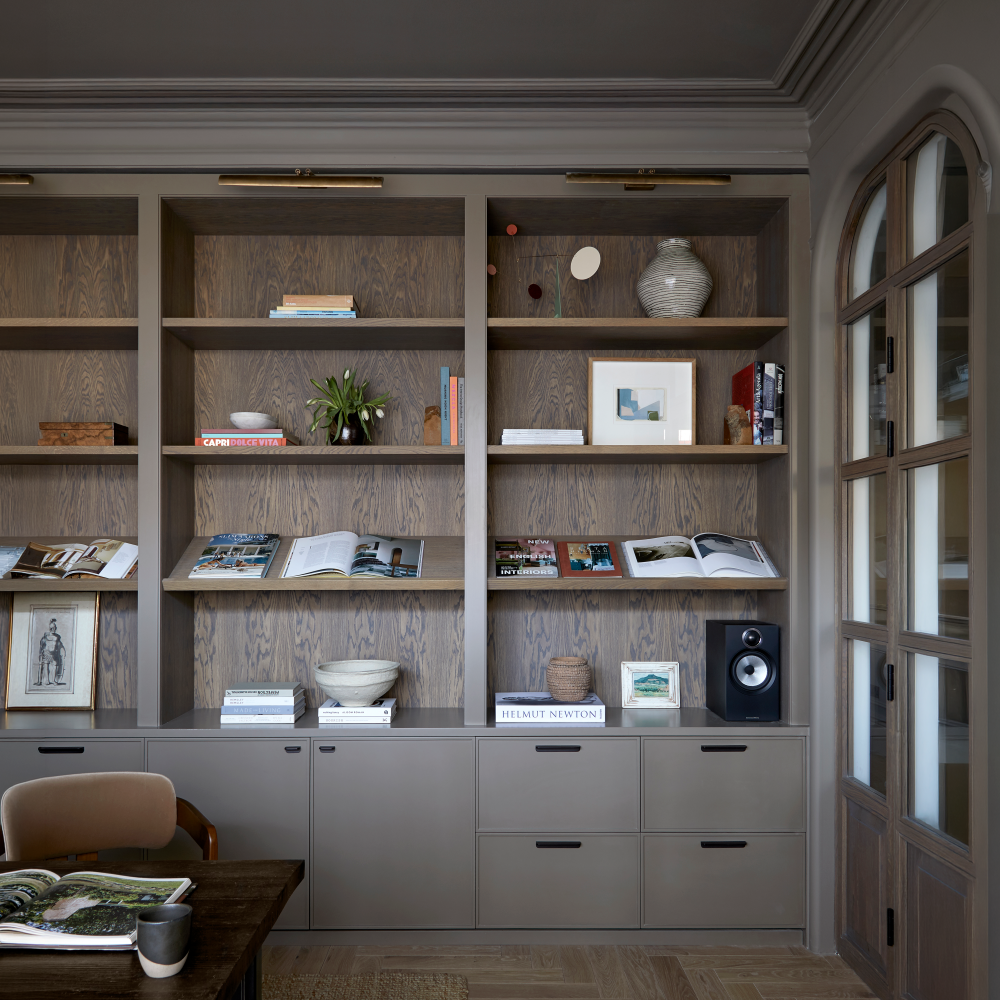
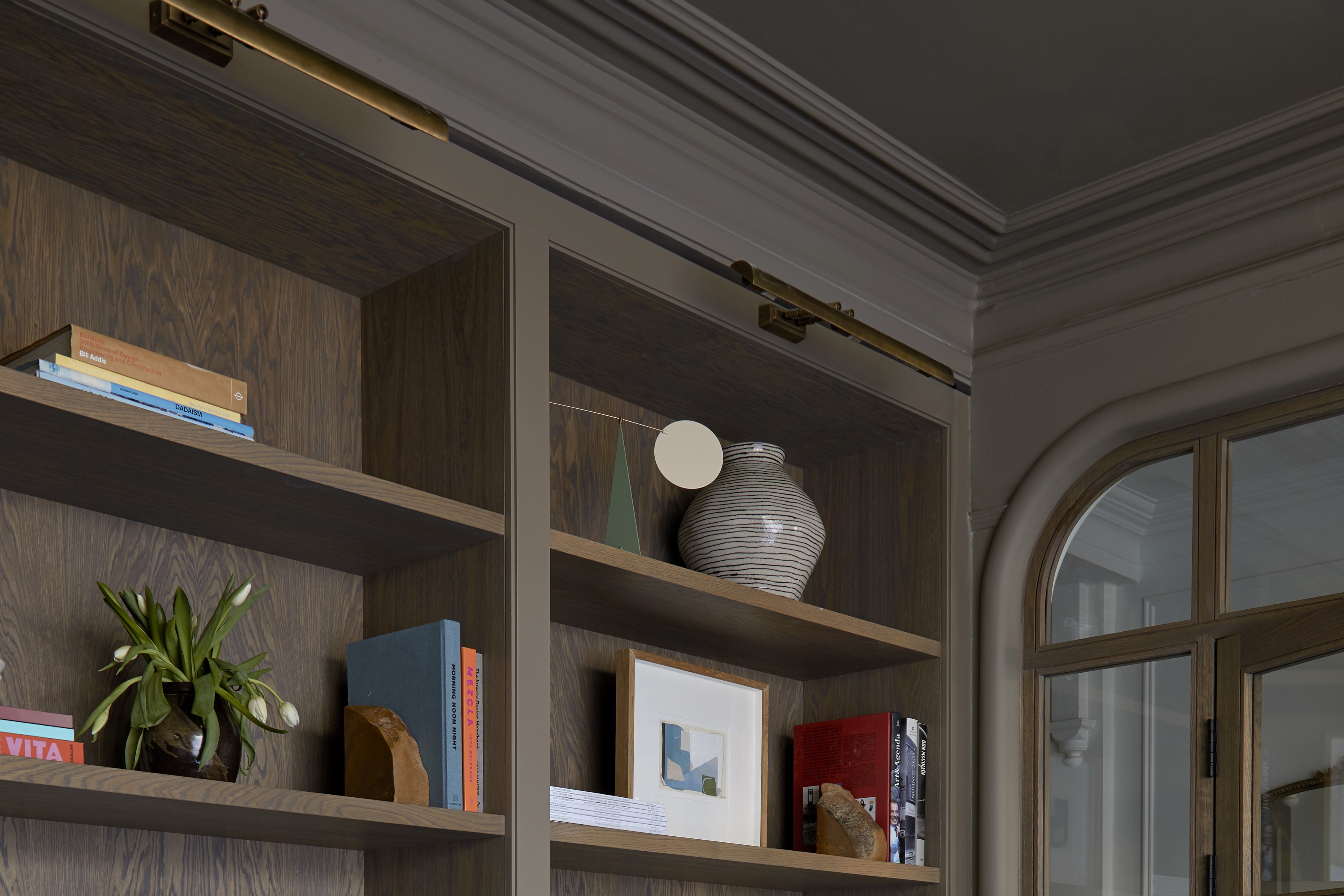
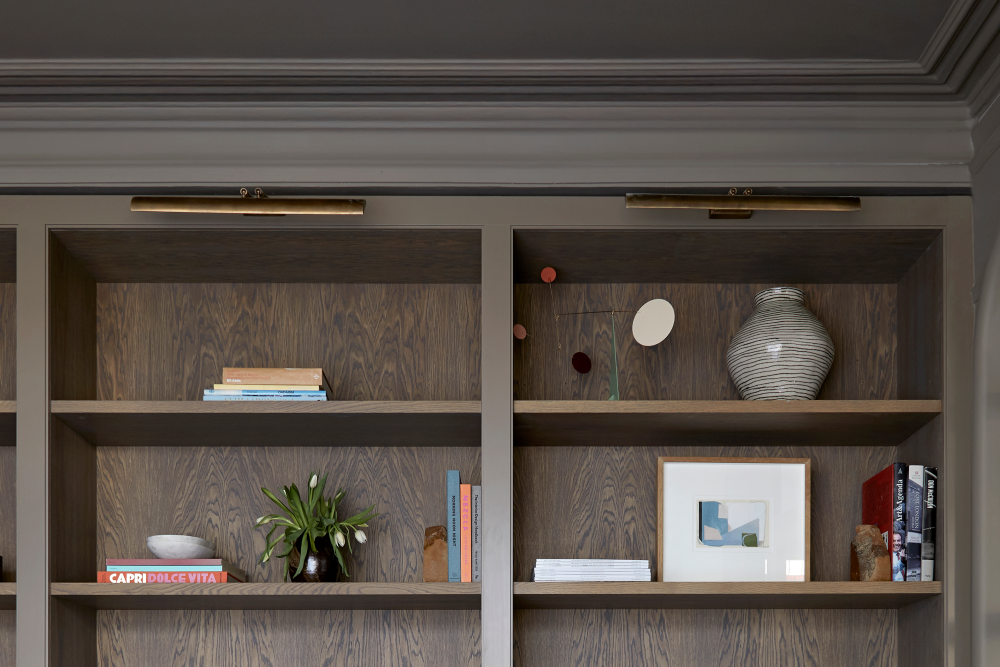
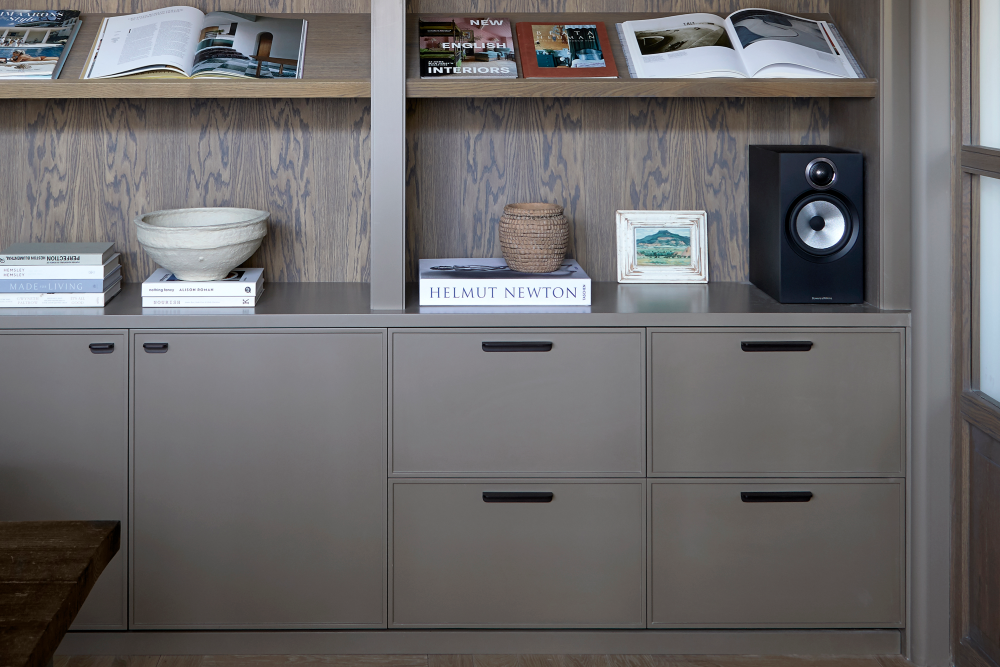
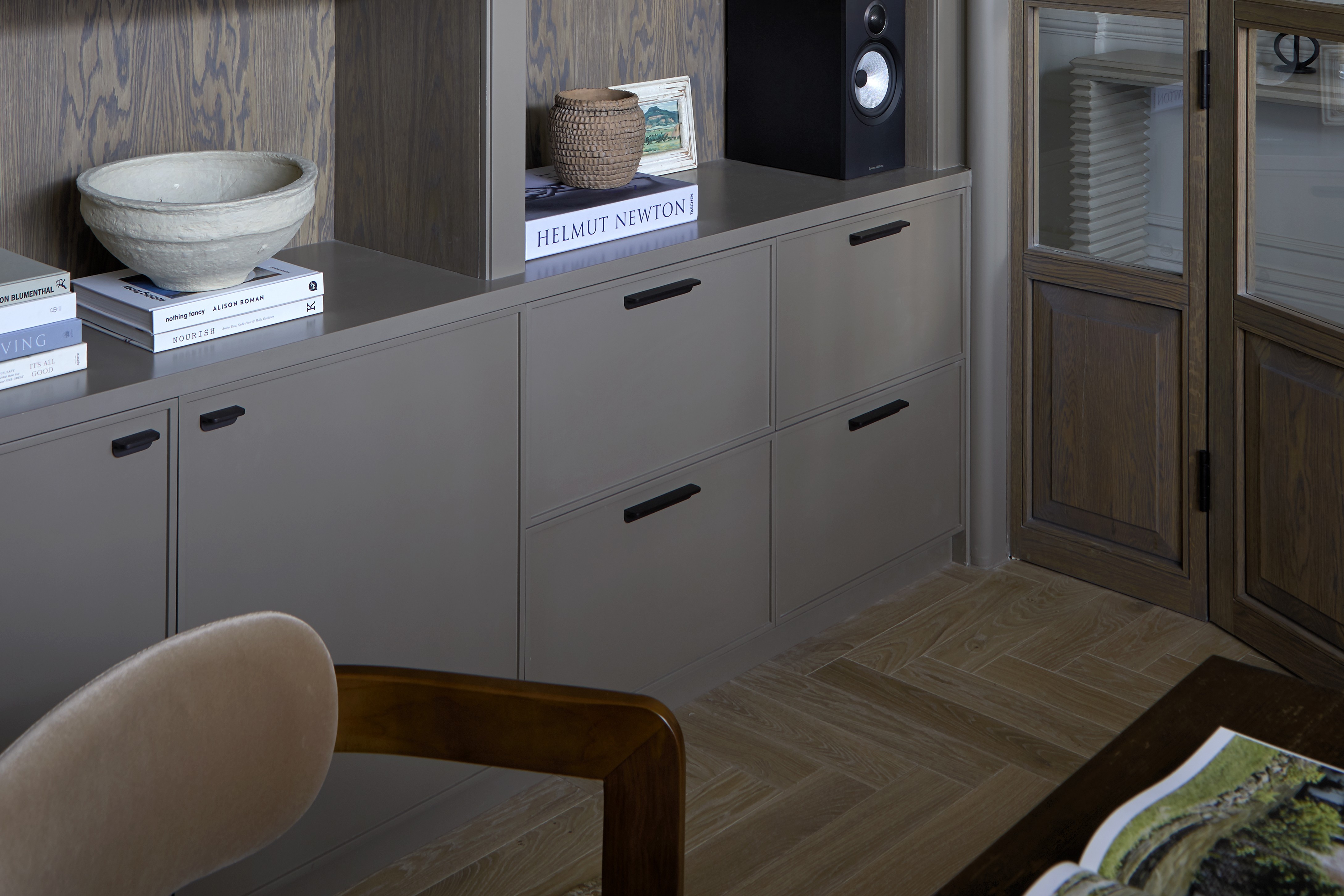
The clients already had air conditioning upstairs installed by another contractor, finished with visible linear details, but the installation process had been difficult and the result had not fully met expectations. For the new ground-floor works, they wanted a more considered approach from the outset. In the rear open-plan space, visual continuity was especially important. Because the joinery design varied across the kitchen, living and dining areas, locating services in different vertical joinery sections risked creating an inconsistent appearance. The ceiling line, by contrast, remained continuous across the space, so the design developed around a more unified ceiling-integrated approach.
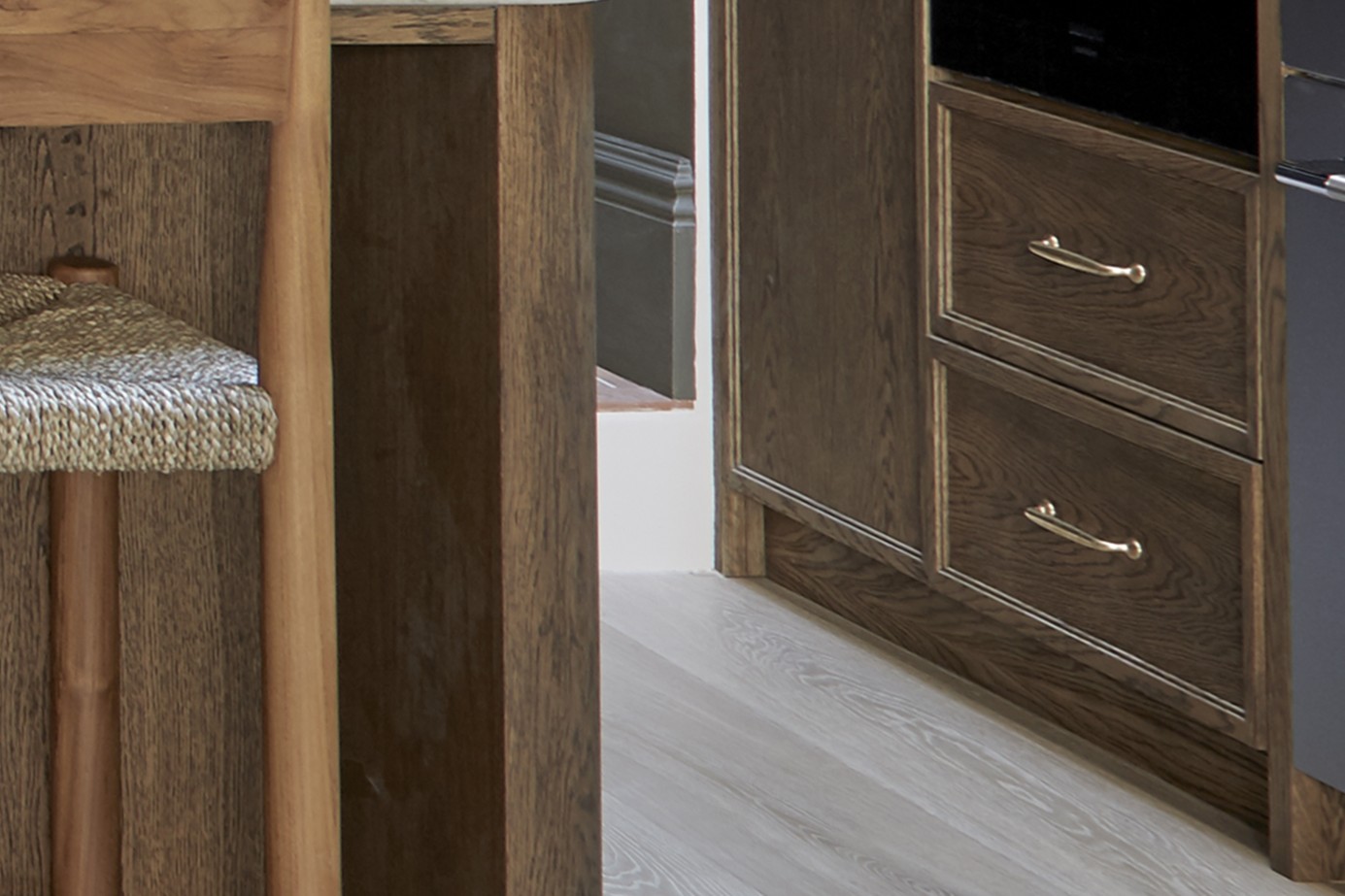
Calibre coordinated the internal units above the boot room, with supply air routed through carefully considered ceiling and bulkhead zones. In the open-plan space, the design allowed the bulkhead to move forward slightly to create a workable service route, while return air was coordinated through low-level plinth details and internal wall pockets. The office followed a similar principle, with the unit located above the boot room and routes developed around the adjoining steelwork, cornice zone and joinery.
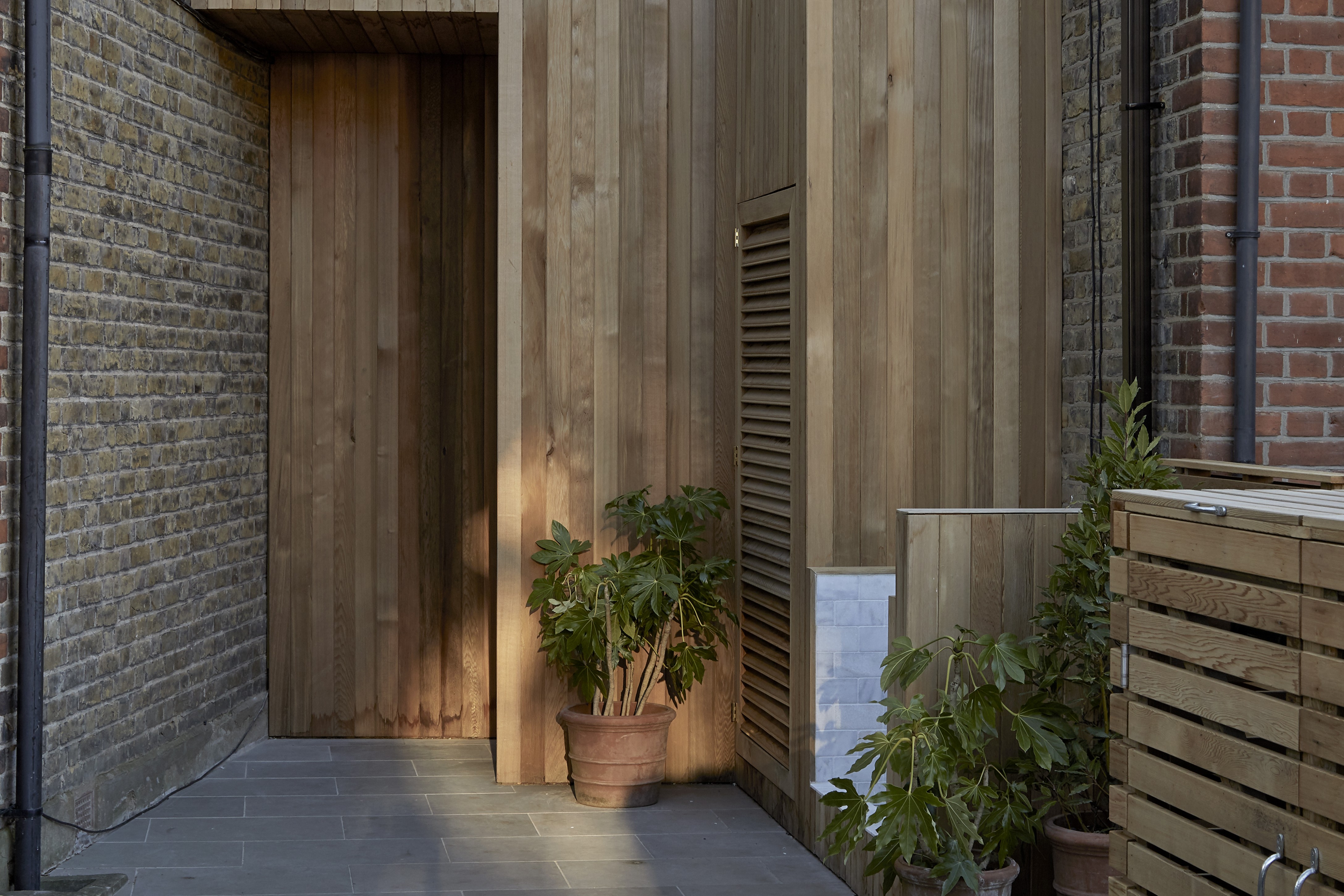
Externally, the plant location was developed around the side passage, using the previous condenser position as a starting point. Although planning permission was not expected to be required, the design still considered line of sight, noise and practical access. The final design balanced the clients’ budget, aesthetic expectations and need for a properly coordinated installation.
Step 5 - Project Delivery
Calibre’s operations team delivered the installation in coordination with the wider ground-floor extension works, ensuring the air conditioning package was aligned with the evolving site programme and architectural details. The project required close coordination around the steel frame, ceiling levels, bulkhead zones, joinery and return air paths, with the system installed to maintain the intended finish across the principal rooms.
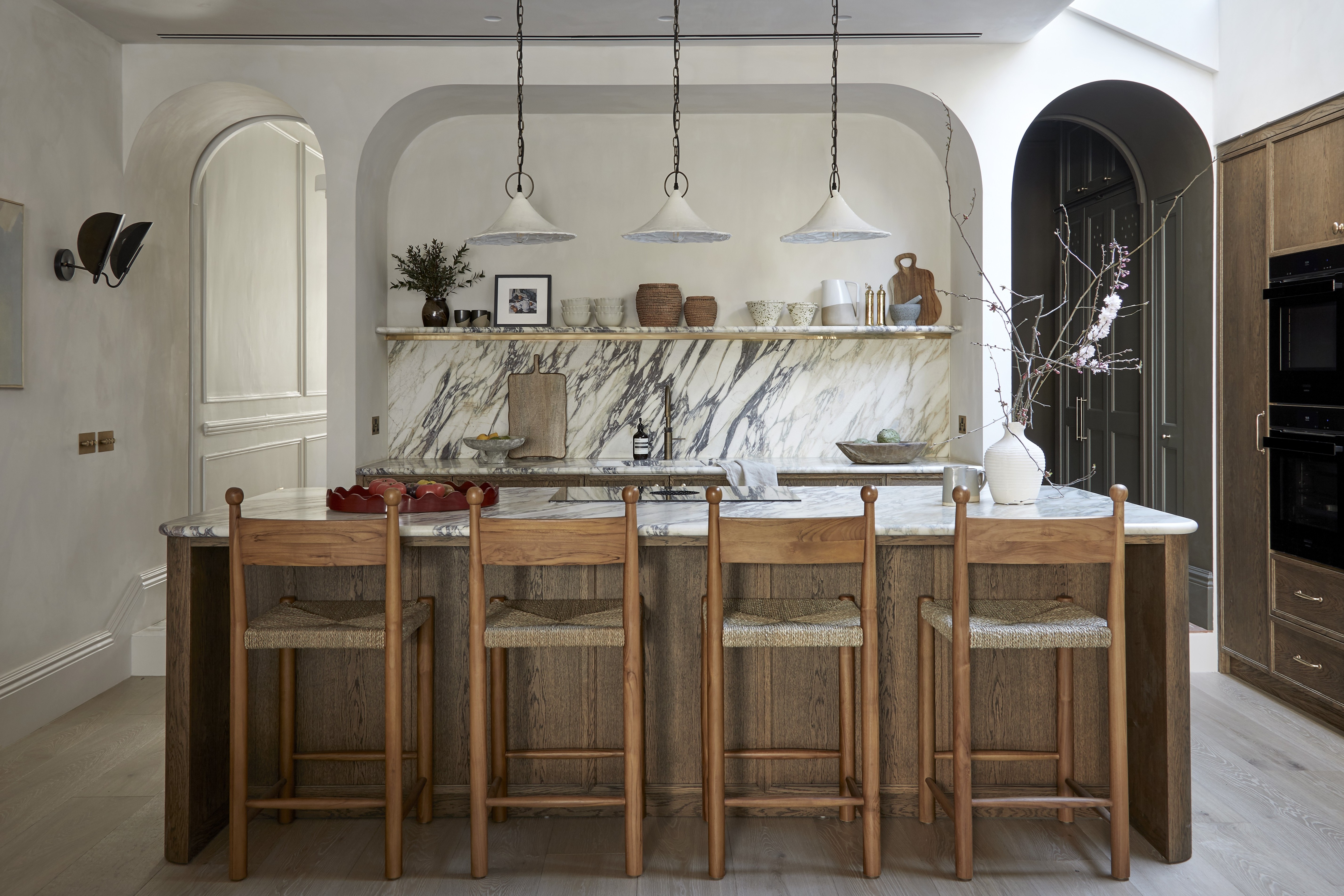
The installation served the kitchen, living, dining and office areas, with the rear open-plan space treated as a coordinated set of zones rather than separate, visually disconnected rooms. This allowed the completed system to support the way the space would be used while keeping the appearance consistent. WiFi controls were also incorporated, giving the clients simple everyday control across the ground floor.
Project Completion & Key Takeaways
By engaging at concept design stage, Calibre was able to avoid the kind of site-led compromise the clients had experienced previously. The air conditioning design and installation were delivered as a specialist package, with the technical requirements coordinated before they became disruptive on site. The completed system was commissioned and handed over in line with the agreed design intent.
The project also underlined the value of proper coordination for clients who had already experienced the limitations of a less design-led air conditioning installation. By resolving service routes, plant strategy, return air paths and controls during design development, Calibre was able to provide a better integrated result. The final system delivers the cooling the clients considered essential, with a cleaner finish and more coordinated installation process than they had previously experienced.
MORE IMAGES

YOUR HOME.YOUR TEMPERATURE.
Find out how we can help you achieve the perfect temperature in your home.